Eating for PMOS: A Food-First Guide to Supporting Metabolic Health
PCOS has now been reframed around metabolic health. Here’s how everyday foods, including prunes, can help
For decades, polycystic ovary syndrome (PCOS) was primarily viewed as a reproductive disorder. But its metabolic reach has long been recognized, as the condition consistently showed up across the body, from blood sugar and hormones to inflammation and heart health. In 2026, an international consensus published in The Lancet officially reframed that, renaming it to a more encompassing Polyendocrine Metabolic Ovarian Syndrome (PMOS).
For the one in eight women living with PMOS, it’s more than a label. It affirms metabolism as a key part of the story, and the role of food in managing a complex women’s health condition. Whole foods like prunes may have a broader role to play in supporting women with PMOS, with benefits that go beyond the condition’s metabolic symptoms.
What Is PMOS and How Is It Different From PCOS?
PMOS is more than a rebrand from a condition previously focused primarily on reproductive health. The change reflects a more accurate picture of this long-term, complex endocrine disorder that affects hormone regulation and metabolism, which in turn impacts heart health, weight and energy, too.
Nutrient-dense whole fruits like prunes can support metabolic health in women with PMOS while helping address nutritional needs that conventional treatments may not fully meet.
Why Metabolic Health Matters for PMOS
Many people with PMOS have features of metabolic syndrome, a cluster of conditions that include insulin resistance (its most common feature), inflammation and shifts in blood pressure and cholesterol. These metabolic disturbances raise the long-term risk for obesity, type 2 diabetes, heart disease and endometrial cancer, according to a 2026 review in the Journal of Internal Medicine.
PMOS also often comes with elevated androgens, hormones like testosterone that can show up as acne, hair thinning or irregular cycles. Treatment has traditionally addressed both metabolic and reproductive symptoms, with medications like metformin to improve insulin sensitivity and oral contraceptives to manage hormonal symptoms, alongside nutrition and lifestyle support.
Women’s health needs shift across the lifespan, and nutrition can play a role at every stage. During the reproductive years, healthy eating patterns can support metabolic health, including blood sugar, inflammation and weight management. Bone health deserves attention early on too, particularly for women taking oral contraceptives, which have been linked to lower bone density in young women. After menopause, declining estrogen accelerates bone loss, making bone health a growing priority.
Whole foods that offer nutrients associated with bone health, like prunes, may be worth considering at each of these stages.
What to Eat for PMOS: A Food-First Approach
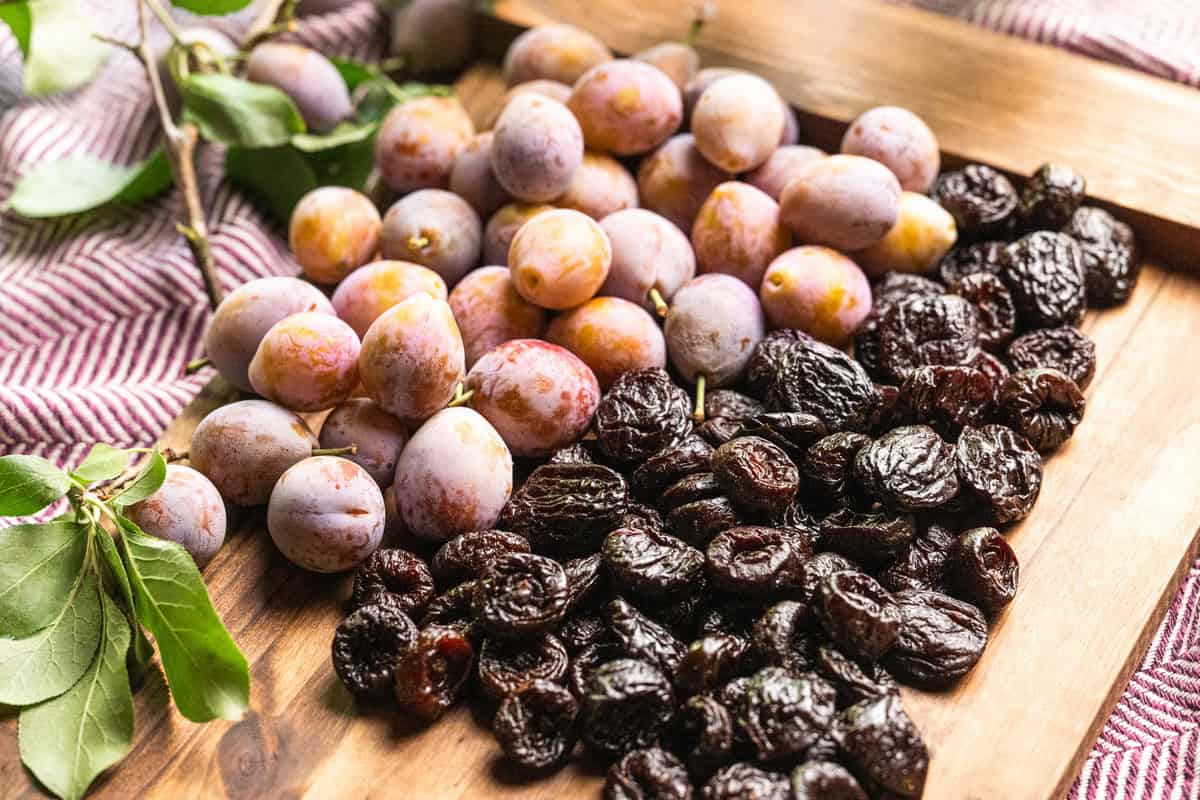
The good news? You don’t need a complicated meal plan to manage PMOS. A food-first approach comes down to making adjustments for the long term. Prunes are one example, offering everyday versatility alongside potential benefits for metabolic, gut and bone health.
No single diet has been proven best for PMOS, so the goal is to find a sustainable healthy eating pattern that meets individual needs and preferences. Mediterranean and DASH eating patterns are frequently recommended starting points, according to the Academy of Nutrition and Dietetics. They may help reduce inflammation, support stable blood sugar and ease weight management for people with PMOS, and either can be adapted to personal tastes, culture and budget. An approach that feels doable and enjoyable is more likely to last, so rather than focusing on what to cut out, it can help to focus on what to add: nutritious foods like prunes can make healthy eating feel easy and satisfying.
Because insulin resistance is so common in PMOS, getting enough fiber matters: carbohydrates with fiber cause less of a blood sugar surge than refined ones. Naturally sweet, fiber foods like prunes can also be a smart swap for added sugar, with a low glycemic index of 29 and 3g of fiber per serving. Small, steady changes like this add up over time.
In practice, that looks like:
- Healthy Snacking: Frequent, balanced meals or snacks spaced throughout the day
- Natural Fiber: From a variety of fruits (like prunes), vegetables and whole grains at most meals
- Lean Proteins: With every meal or snack, such as chicken, fish, tofu, beans, lentils or low-fat dairy
- Healthy Fats: Such as olive oil, nuts, seeds or fatty fish
- Limited Added Sugars: Reducing refined carbohydrates, fried or processed foods
Key Nutrients That Support PMOS
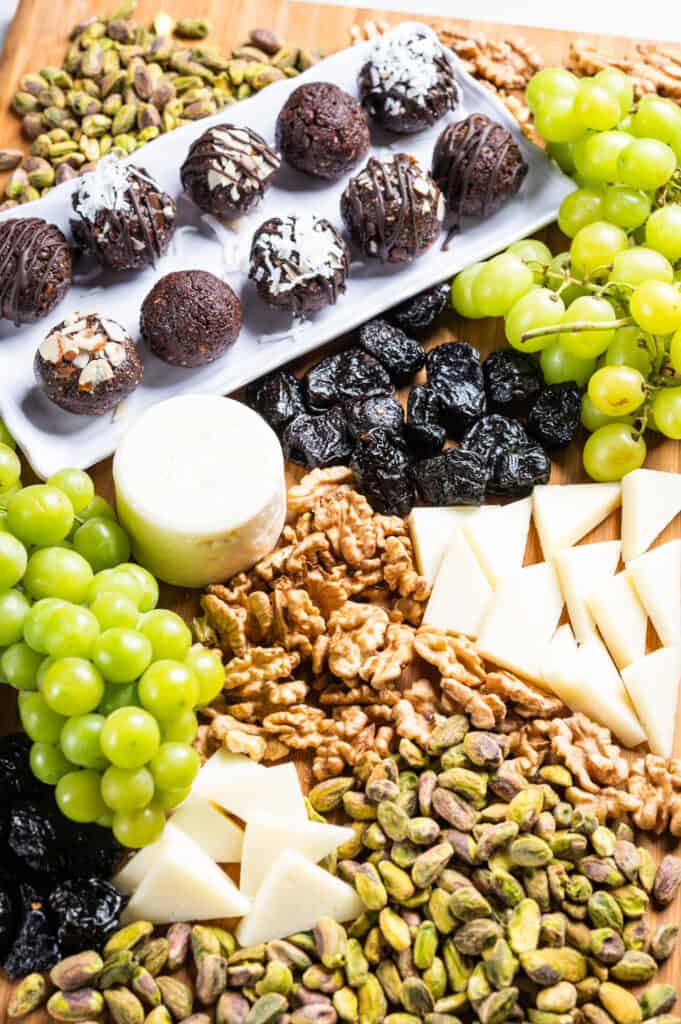
Instead of raiding the supplement aisle, the delicious whole fruit solution might already be in your pantry. A few important nutrients play an outsized role in metabolic and hormone health are also found in prunes:
- Fiber: Linked to lower insulin resistance and androgen levels, according to research on diet and hormone levels.
- Magnesium: Supports healthy insulin sensitivity, per a clinical study.
- Polyphenols: Antioxidant compounds that may help counter the low-grade inflammation common in PMOS, according to a review of clinical trials.
A Closer Look at Prunes for PMOS
Managing PMOS often comes down to two priorities: supporting metabolic health and supporting hormonal health. Prunes can play a role in both.
Metabolism Support
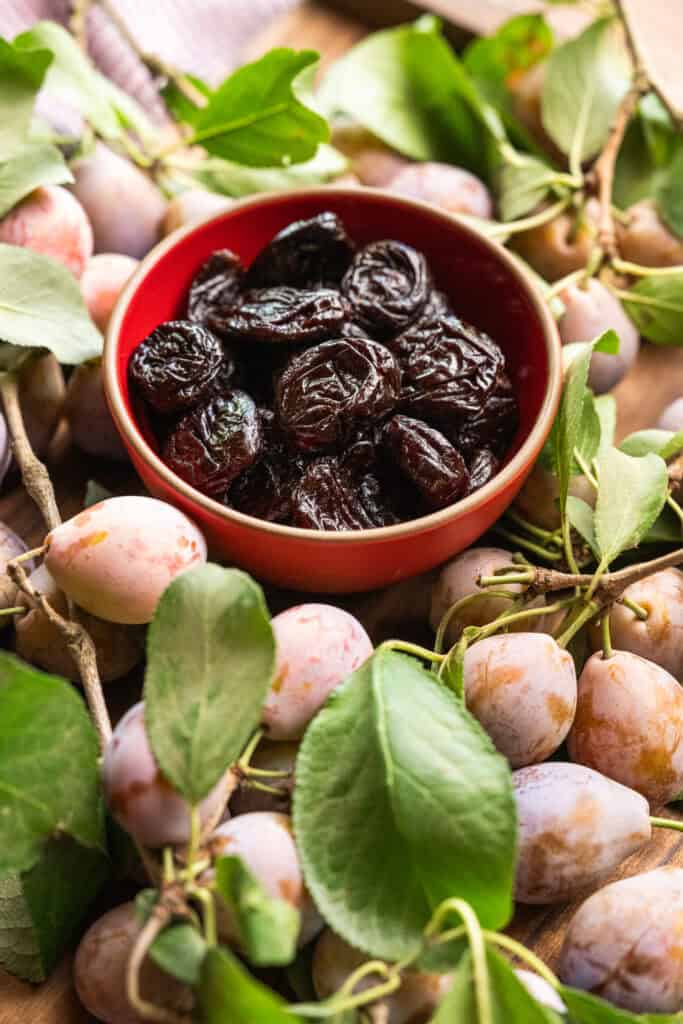
Prunes naturally pack soluble, insoluble and prebiotic fiber, magnesium, potassium and polyphenols into one simple whole food, making them an easy, practical way to work key nutrients into a PMOS-friendly eating pattern. Just one serving (40 grams or about 4–6 prunes) gives you 3g of fiber, plus magnesium, potassium, vitamin K and polyphenols.
Hormonal Health
Birth control pills (oral contraceptives, or OCs) are widely used by women for contraception, and they’re also a common first-line treatment for PMOS symptoms like irregular cycles, acne and excess hair growth. Despite their popularity, OC use has also been linked to lower bone density in young women. That’s where prunes come in.
In a 12-month randomized controlled trial at San Diego State University, healthy women ages 18–25 taking OCs who ate 50g of prunes daily saw their bone density preserved at two fracture-prone sites (the shin and wrist), while OC users who skipped the prunes saw a decline at the shin over that same period. These findings build on earlier research showing prunes help preserve bone density in postmenopausal women, making them a food-first ally across several stages of women’s health.

Simple Ways to Add Prunes to Your Day
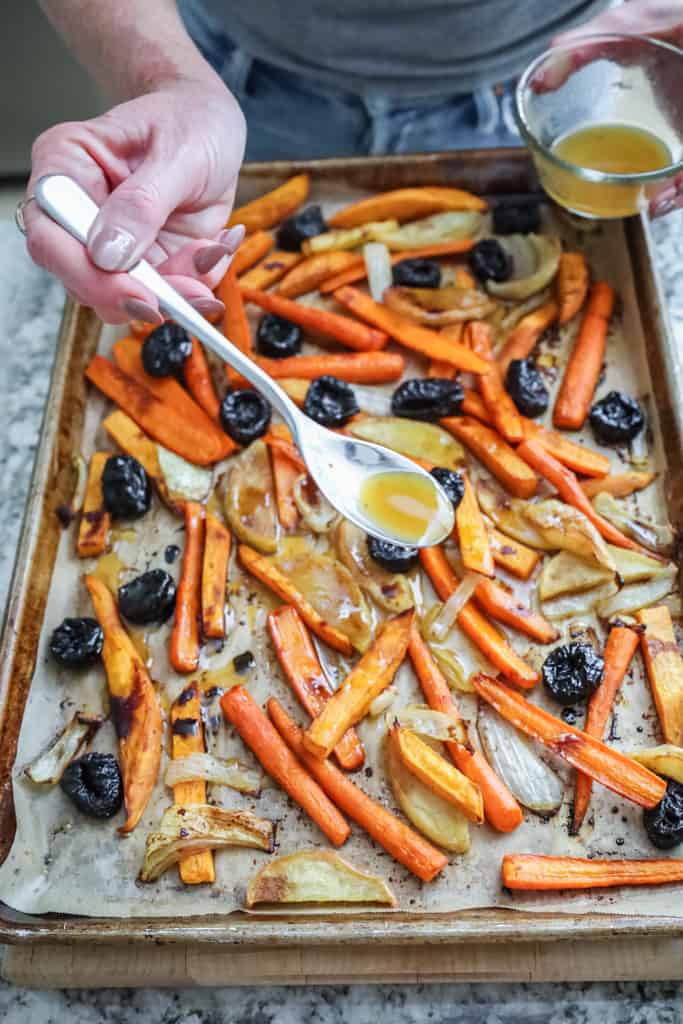
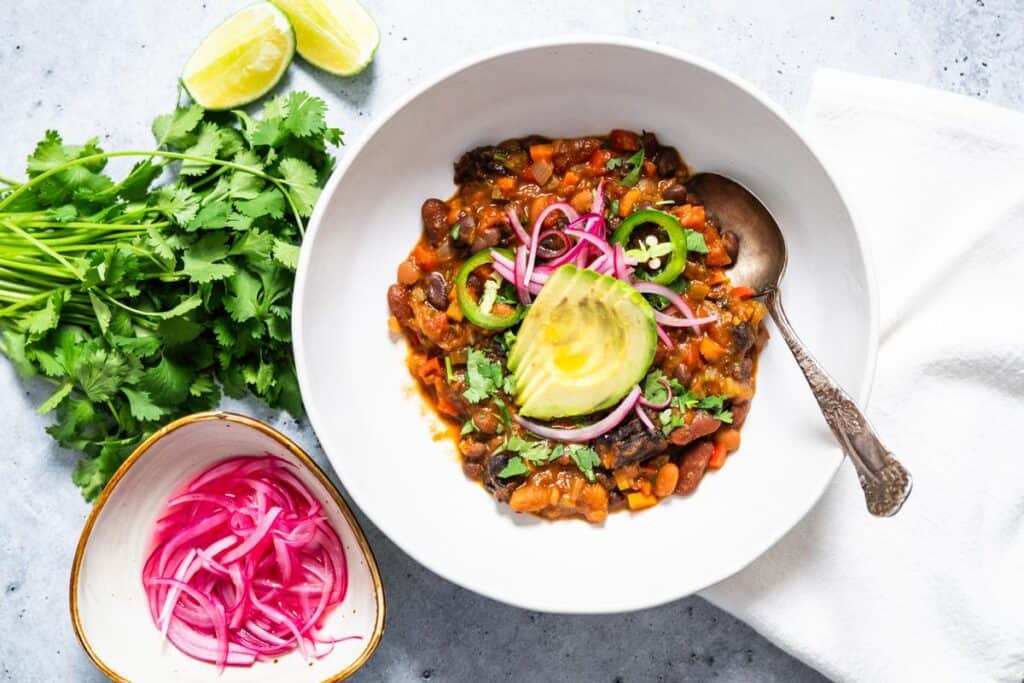
Beyond all the science, here’s the fun part: prunes are surprisingly delicious, naturally good for you and they’re easy to work into meals you’re probably already making. A few ideas to get you started:
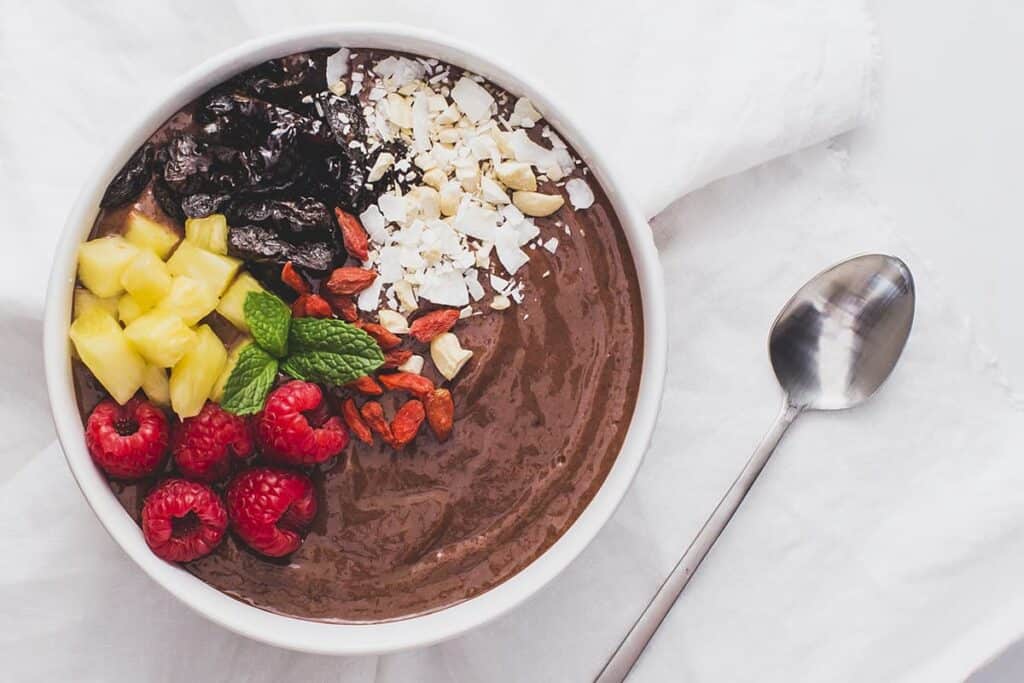
Stir them into oatmeal, blend them into a smoothie, or just eat them on their own in place of a sugary snack. Prunes are a low-effort way to bring more fiber, magnesium and polyphenols into your day.
Download our new quick-reference guide – Eating for PMOS: How Fiber Foods Like Prunes Support Metabolic Health. This easy-to-reference resource covers PMOS, metabolic health and food-first strategies like California prunes.
Keep Exploring
Want more on the nutrition behind California prunes? These nutrition resources are a good next stop: