
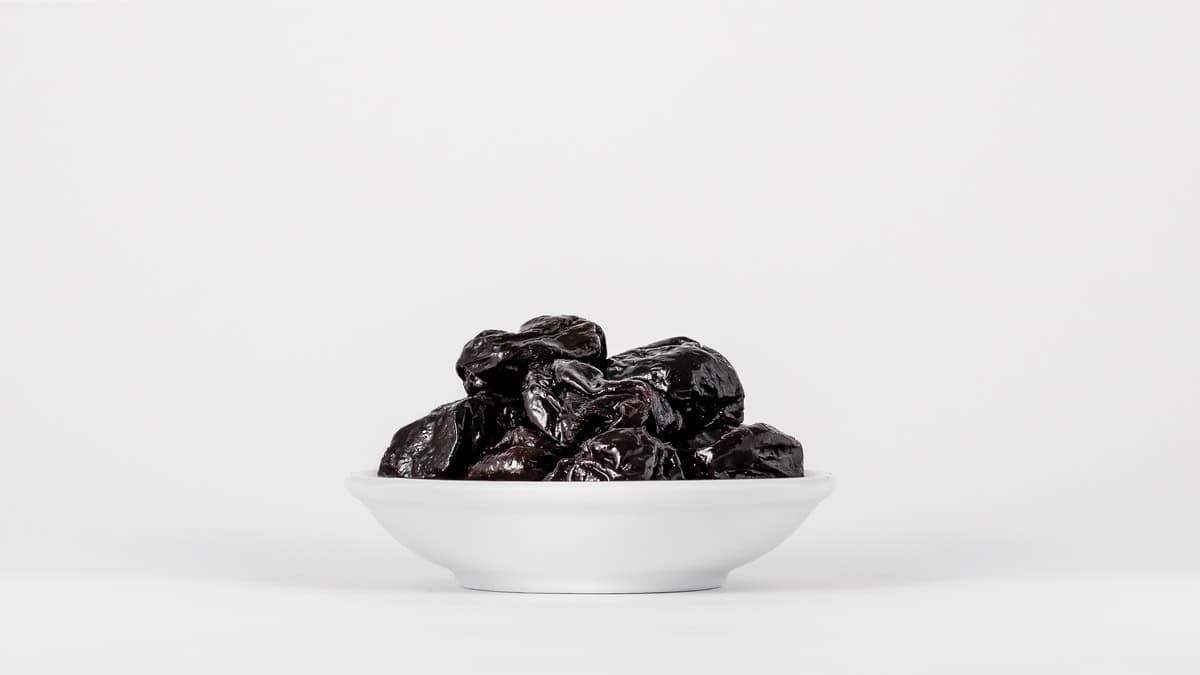
4 Prunes a Day. Here’s Why This Simple Habit Works for Healthy Aging
Healthy aging doesn’t have to wait until retirement. In fact, chronic health conditions continue to affect people earlier in life. Taking a proactive approach to long-term health can be one of the most valuable things you do for your future self.1,2 And with Four Prunes Day on October 17, it’s a fitting time to think about how even small food choices can become part of that long-term approach. But, that doesn’t mean you need to jump on every flashy longevity trend either. From expensive supplements and high-tech wearable rings, longevity has become a major focus of our social feeds. While some of these trends may be intriguing, supporting healthy aging doesn’t have to be complicated, or come with a hefty price tag.
Some of the most meaningful habits for healthy aging are also the most accessible. Moving your body regularly, getting quality sleep, nurturing social connections, managing stress, and, of course, building a nutrient-dense eating pattern you can sustain for the long haul.3
One food that continues to show support across the lifespan for healthy aging? Prunes. Research has linked prune consumption with several areas of health that become increasingly important as we age. These include bone, gut, and heart health.4.5.6,7 Plus, prunes bring natural sweetness, texture, and versatility to meals and snacks. This makes them an easy food to enjoy consistently.
So, why four prunes? “How many prunes should I eat?” is a commonly asked question. And while four isn’t a magic number or a one-size-fits-all recommendation, it can be a simple, approachable place to start. If you’re looking for a longevity habit that is sustainable, attainable, and affordable, let’s take a closer look at what just four prunes a day can bring to your plate. Prunes are surprisingly delicious and naturally good for you and can complement an overall healthy lifestyle.
Why Prunes Belong in a Healthy-Aging Routine
Bone Health: Think Beyond Calcium
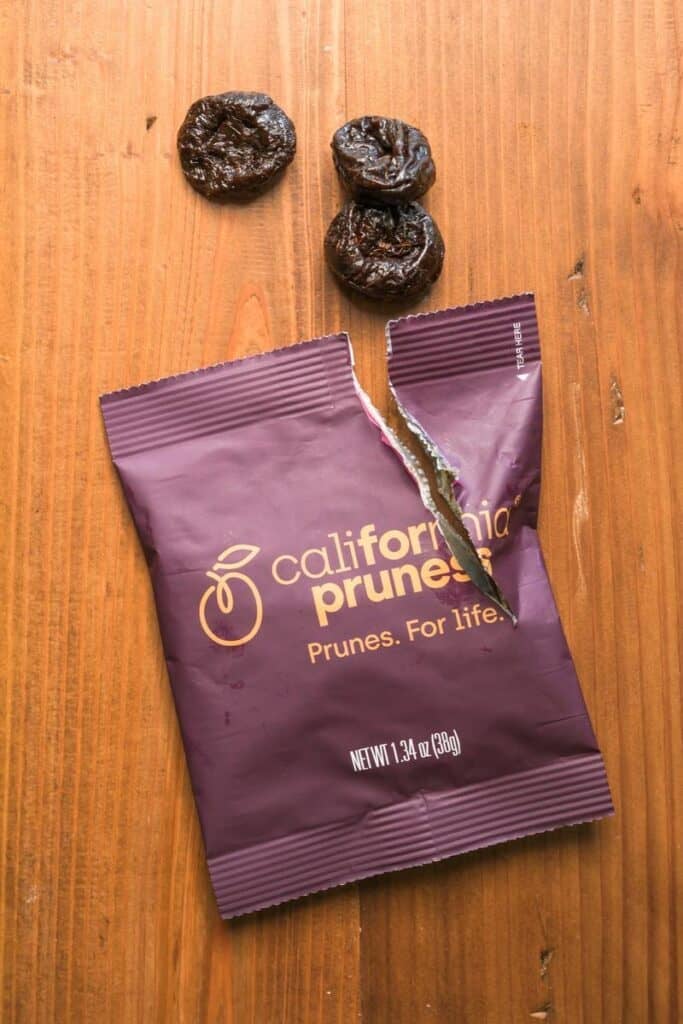
When it comes to healthy aging, bone health deserves attention long before you reach your later years. Osteoporosis is a condition characterized by low bone density and weakened bones. It affects more than 10 million Americans aged 50 and older, and the risk increases with age.8 But building and maintaining strong bones isn’t something you should leave for your 50s or 60s. In fact, bone mass typically peaks in early adulthood, after which gradual bone loss can begin.9 That makes the years leading up to and through midlife an important time to prioritize the habits that help support your skeletal health for years to come.
Calcium and vitamin D often get the spotlight when it comes to strong bones, and for good reason. But they aren’t the only nutrients that matter. Vitamin K, copper, boron, and polyphenols are among the many beneficial compounds found in prunes that may also play a role in supporting bone health.10,11,12,13,14 Prunes are particularly noteworthy for their vitamin K content, providing about 20% of the Daily Value per serving. Vitamin K plays an important role in bone metabolism and is involved in the proteins that help regulate how calcium is incorporated into bone tissue.10
Research has also explored whether the combination of nutrients and bioactive compounds found in prunes may influence bone health.13,14 Studies suggest that prunes nutrients may help support healthy bone remodeling, potentially by influencing pathways involved in bone formation and breakdown through their antioxidant activity.13,14 Plus, boron, a trace mineral found in prunes, may offer support as well through its potential role in bone formation and bone mineral density.12,15
Much of the research on prunes and bone health to date has focused on postmenopausal women, a population at increased risk for accelerated bone loss due to hormonal changes. While more research is needed to understand whether these benefits extend to broader populations, the findings are promising and support a four prune habit for better bone health.
Gut Health: Feed Your Microbiome
The claim to fame you’ve likely heard of is their powerful bowel health benefits. They help reduce constipation and keeping your digestive system running smoothly.5 But supporting digestive regularity is just one piece of the gut-health story. Prunes also contain both soluble and insoluble fiber. They also have compounds that may have prebiotic effects, meaning they can help provide fuel for beneficial bacteria in the gut.6,16
Why does that matter for healthy aging? Your gut microbiome plays an important role in digestion, metabolism, immune function, and overall health.6 Research continues to explore how nourishing beneficial gut bacteria may influence inflammation and other processes associated with chronic disease and aging.6,16 While science is still evolving, it’s becoming increasingly clear that caring for your gut is an important piece of the healthy-aging puzzle.
And the potential benefits don’t stop with digestion. The fiber and other bioactive compounds found in prunes are also being studied for their relationship with cardiometabolic health, making this humble dried fruit an intriguing addition to an overall nutrient-dense eating pattern.7 Let’s dig into this emerging area of prune and cardiovascular research.
Heart & Metabolic Health: The Bigger Picture
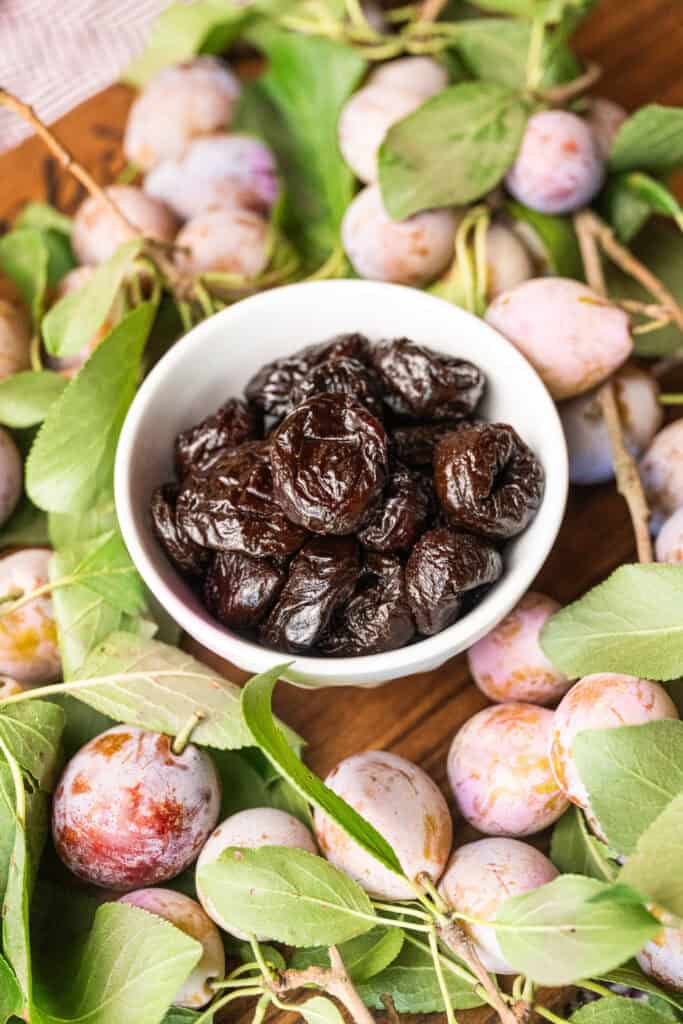
The vibrant polyphenols found in prunes may be one piece of the puzzle when it comes to their potential cardiometabolic benefits. As we age, supporting heart health is very important given cardiovascular disease remains the leading cause of death worldwide.1,2 Small, sustainable dietary habits can play an important role in an overall heart-healthy lifestyle.
Research on prunes and cardiovascular health is still emerging, but early findings are encouraging. Studies have explored how regular prune consumption may influence markers of cardiovascular health. These include cholesterol levels, highlighting how the soluble fiber in prunes may contribute to these potential benefits.7 Their polyphenols are also being studied for their antioxidant and potential anti-inflammatory effects. This offers another possible pathway through which prunes may complement a heart-supportive eating pattern.7
More research is needed to better understand these effects across diverse populations and determine how prunes may fit into long-term strategies for cardiovascular health. But, the good news is that a serving of 4 prunes daily is a simple way to support longevity in your everyday meals.
They’re Tasty, Versatile, & Affordable
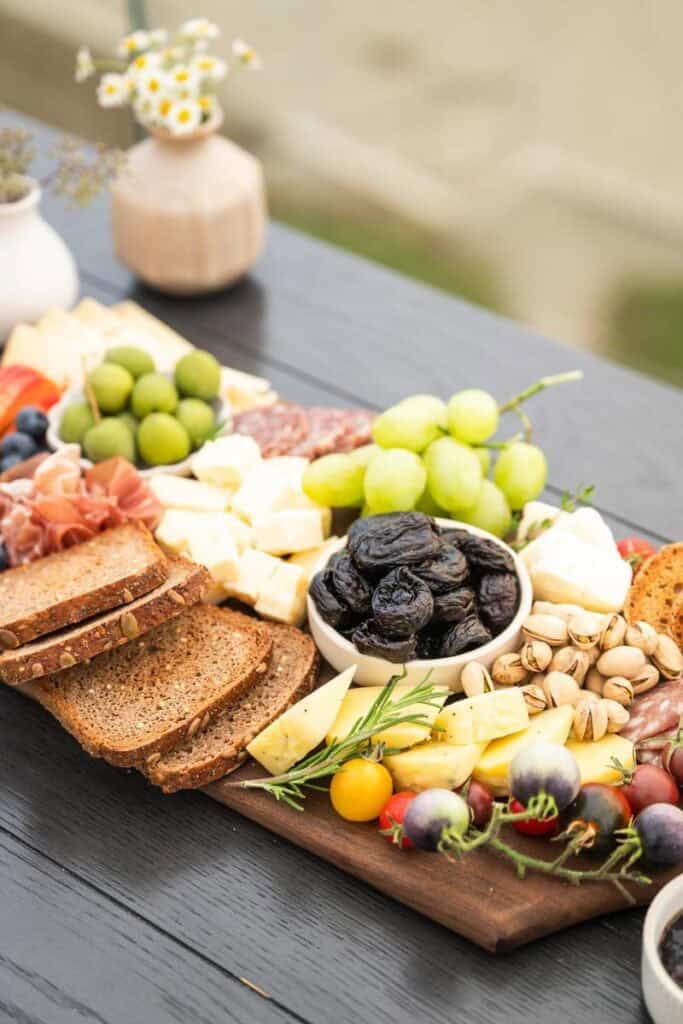
Often called “nature’s candy,” prunes add natural sweetness and satisfying texture to both sweet and savory dishes. Free of added sugars, fat, cholesterol, and sodium, they work well with protein foods and a side of healthy fat, like a handful of nuts, for a quick, balanced snack.
But prunes are just as versatile in recipes. Their rich, naturally sweet flavor works beautifully in baked goods, salads, dressings, and savory entrées. And prune puree offers an easy way to add flavor, moisture, and the nutritional benefits of prunes to a variety of dishes.
Perhaps best of all is the fact prunes are widely available and affordable, making them an accessible, shelf-stable addition to a healthy eating pattern. Prunes serve as a great reminder that supporting healthy aging doesn’t have to be complicated or expensive.
Meet Liz Shaw, RDN

Liz Shaw is a registered dietitian nutritionist. She loves sharing simple-swaps to make your life easier when it comes to nourishing your body for the long haul. She has a Masters in Dietetics, a Graduate Certificate in Eating Disorders and Obesity, and is a Certified Personal Trainer.
Liz’s philosophy is simple: Eat foods that bring you joy, nourish your body, and help fill your tank. There is no one size approach to nutrition, and every BODY is unique!
Check out these articles from Liz too:
- Prunes Are a Top Food to Eat on a GLP-1 Diet – Here’s Why
- 6 “Bad” Fruits You Should Be Eating When You Have Diabetes, According to Dietitians in Eating Well
- Prunes Aren’t Just for Your Grandparents: Here’s Why You Should Add Prunes to Your Diet in Clean Eating
- Here Are Five Ways to Eat Prunes (No Baby Food or Juice Involved) in Vegetarian Times