

The Fiber Trio: A Food-First Approach to Better Health
For years, protein has dominated the wellness conversation and for good reason, but it’s time to explore the “fiber trio” – built on another essential nutrient that is finally getting the attention nutrition experts have long known it deserves: dietary fiber.1
While fiber itself isn’t new, growing interest in gut health, balanced nutrition, and maximizing fiber trends has helped shine a spotlight on the important role fiber plays in whole-body wellness. And with nearly 3 out of 4 Americans living with at least one chronic condition including obesity, type 2 diabetes, cardiovascular disease, and certain cancers, many people are looking for simple, sustainable ways to better support their health. 2,3
One powerful place to start? Increasing your fiber intake.4 From supporting digestion and heart health to nourishing the gut microbiome and promoting fullness, fiber offers benefits that extend far beyond regularity.1 But not all fibers function the same way in the body. Soluble, insoluble, and prebiotic fibers each provide unique health benefits, creating the ultimate “fiber trio.”
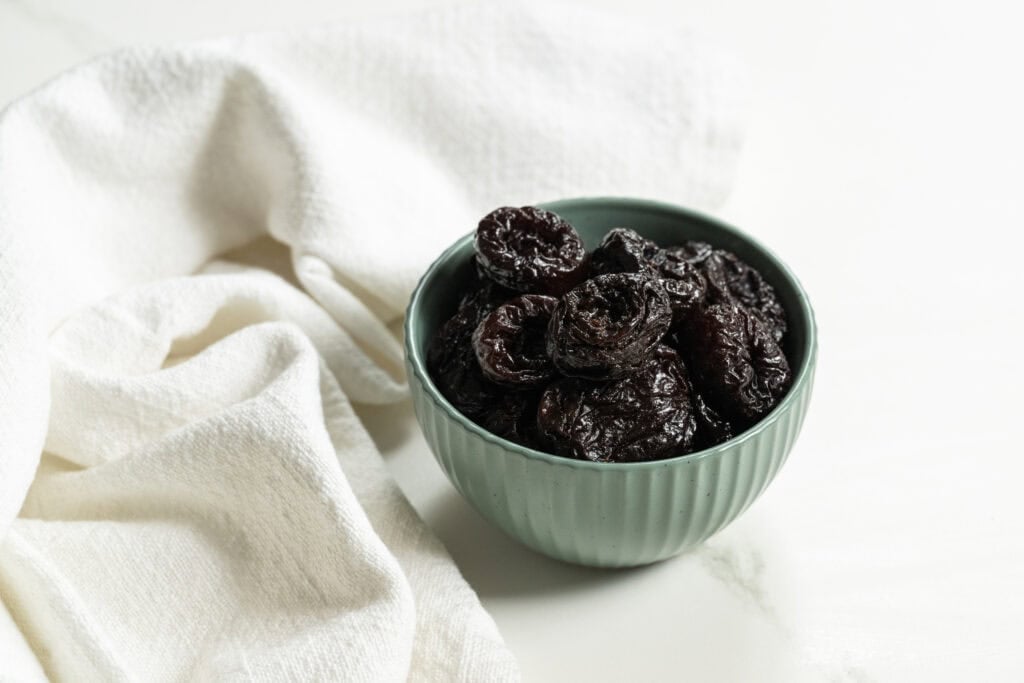
Read on to learn how these different types of fiber work together. You will also learn why a food-first approach matters, and how naturally sweet California prunes can help boost your fiber intake. No powders or supplements required.
Meet the “Fiber Trio”
Dietary fiber includes insoluble fiber, soluble fiber, and prebiotic fiber. These three types work together to support digestion, feed the gut microbiome, increase satiety, and promote overall health. Most plant-based foods contain one or more of these fibers, though the specific benefits can vary slightly depending on the type.
A helpful way to remember their roles is to think about how each one uniquely supports different aspects of health and digestion.
Insoluble Fiber: The “Move It” Fiber
If the tune of the song “I Like To Move It” is running through your brain, you’re in good company. Insoluble fiber stays intact during digestion, helping to create bulk to the stool and help it move quickly through your gastrointestinal tract.1,5 For those who struggle with constipation, insoluble fiber is helpful to increase in the diet.
Food Sources1,5
- Fruits: apples and pears (with skin on), oranges, bananas, prunes
- Vegetables: green beans, zucchini, cauliflower, leafy greens, potatoes, celery
- Grains: whole grains, whole wheat, rye, barely
- Legumes: chickpeas, lentils, beans, peas
- Other: almonds, walnuts, chia seeds
Prebiotic Fiber: The “Feed It” Fiber
Prebiotics are specialized nutrients that are fermented by beneficial microbes in the gut.6 These prebiotic fibers help nourish healthy gut bacteria, strengthening the connection between fiber, digestion, immune function, and overall wellness.6.7
Common prebiotic fibers, such as fructooligosaccharides (FOS), inulin, galactooligosaccharides (GOS), resistant starches, beta-glucan, and others, are found naturally in a variety of foods and have been linked to important benefits for gut, bone, and heart health.6.7
Food Sources6,7,8
- Fruits: green bananas, apples, berries, prunes
- Vegetables: asparagus, leeks, Jerusalem artichokes, chicory, onion, garlic
- Other: oats, barley, beans
Soluble Fiber: The “Slow It” Fiber
An easy way to remember the function of soluble fiber is to think “soluble = slow”, because that’s exactly what this fiber does in the gut.1,5 Soluble fiber attracts water and becomes a gel during digestion. This helps increase transit time, or the time it takes to move through the digestive system, increasing satiety with meals and supporting blood sugar balance.1,5
Food Sources1,5
- Fruits: apples, pears, citrus, berries, plums, prunes, peaches
- Vegetables: broccoli, carrots, sweet potatoes, onions, asparagus
- Grains: oats, barely, rye
- Legumes: chickpeas, lentils, beans
- Other: nuts, chia seeds

Different Fibers Work Together for Better Health
What makes the “trio” of fibers so powerful is how they work together to deliver a wide range of health benefits in every bite. Interestingly, the body can’t fully break down fiber, and that’s exactly what makes it so beneficial for overall health. As fiber moves through the digestive tract, each type plays a unique role in supporting digestion, heart health, fullness, and more. Here’s a closer look at how these fibers work together to support overall wellness.
Supporting Gut Health & Regularity
Gut health has increasingly become more popular amongst the public, and for good reason. Your microbiome is linked to not only digestive health, but also brain health, inflammation, mood, immune health, and more.9 Supporting a healthy microbiome by including a variety of fiber rich foods in your daily diet is key to reaping these benefits (and keeping your bowel health regular).1,9
Research shows that fiber from diverse sources helps feed the variety of “good gut bugs”, or those bacteria naturally present in the microbiome that can support your health.9,10 When fiber is broken down in the gut into short chain fatty acids (SCFA), these compounds provide fuel for your colon cells, help regulate inflammation in the gut, and support blood sugar balance and metabolism.10
Promoting Heart Health & Healthy Cholesterol Levels
Fiber-rich whole grains contain a combination of the “trio” of fibers, including the soluble fiber beta-glucan, which forms a gel-like substance in the digestive tract that can help bind to cholesterol and remove it from the body as waste.11 But fiber is only one piece of the puzzle in foods that can support a healthy heart.
Antioxidants also play an important role in cardiovascular wellness, including the polyphenols naturally found in California prunes.12-14 Research suggests that antioxidants commonly found in fruits and vegetables may help lower the risk of cardiovascular disease.13,14 In fact, one recent study found that healthy men who consumed about 50 grams, or roughly 5 to 6 prunes, daily experienced reduced lipid peroxidation, a process where free radicals damage cells and create an environment that may negatively impact heart health.12 Incorporating more fiber-rich foods like prunes into your routine may help support a healthier internal environment and potentially lower the risk of atherosclerosis over time.12

Helping Support Blood Sugar Balance & Satiety
Blood sugar balance starts in the digestive system, and dietary fiber plays a major role in supporting both glucose management and satiety.1 Because fiber isn’t fully broken down by enzymes in the GI tract, it moves through the digestive system relatively intact until it’s fermented by beneficial bacteria in the gut microbiome.1 This process helps slow digestion and the absorption of sugar into the bloodstream, supporting more stable blood sugar levels after meals.1,15 At the same time, fiber-rich foods can help promote fullness and satisfaction, making meals feel more rounded.1
Prunes: A Food-First Way to Support the Fiber Trio
Many consumers are reaching for powders, gummies, and fiber supplements to meet the recommended 25 to 38 grams of fiber per day. However, whole foods like California Prunes offer fiber in its most natural form.1 Plus, foods don’t just offer fiber, they come with a complete package, including antioxidants and other nutrients that work together to support overall health.1 A food-first approach can make meeting daily fiber and nutrient needs feel simpler and more sustainable, without overthinking labels or ingredient lists.
Unfortunately, though, less than 94% of Americans have received the fiber memo, meaning a majority of the population is not meeting daily fiber needs for a variety of reasons (diet trends, food costs, limited access, education gaps, and the relance of ultra-processed foods.)1 The good news is there are cost-effective, simple solutions to help fill this gap, such as including California Prunes in the diet.
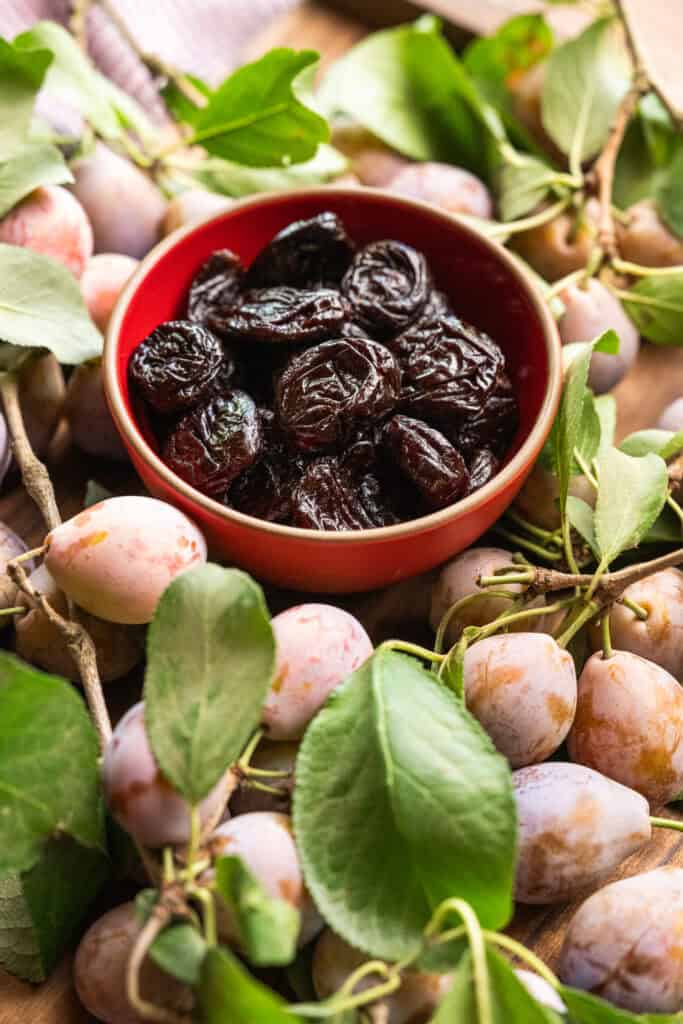
What makes prunes unique is that they provide more than one type of fiber. California prunes contain a mix of soluble, insoluble, and prebiotic fibers, including sorbitol, along with polyphenols that support digestive health, gut microbiome diversity, satiety, and healthy aging.4,16,17 In fact, their well-rounded nutrient profile has made prunes a frequent focus in research on gut, heart, and bone health, as well as inflammation.12,16-19

Healthy Bones Start in the Gut: The Role of Prunes
Research shows the gut microbiome plays a role in nearly every aspect of health, nourishing it with fiber-rich foods is an important step toward supporting overall wellness. California Prunes fit the bill here, with just a serving of 4 to 5 prunes providing a good source of the trio of dietary fibers, it’s easy to see why prunes continue to gain attention in nutrition research.20 Keep these facts in mind as you toss them into your cart!
- The soluble fiber in prunes has been shown to help support cardiovascular health, while fermentable fibers nourish beneficial gut bacteria that produce compounds linked to reduced inflammation and healthy aging.12,17,21 Emerging research also suggests that gut health may play an important role in bone metabolism and long-term bone preservation, especially in women.19
- Prunes are great to consume throughout the lifespan, but should certainly make a regular appearance in the diets of middle-aged women. Prunes have been studied extensively in postmenopausal women, with randomized controlled trials demonstrating that daily prune consumption may help preserve bone mineral density and support bone strength over time.17,19 Additional studies suggest that prunes may positively influence the gut microbiome as well, further strengthening the connection between gut health, healthy aging, and bone health.21
- It’s not just the fiber that makes prunes stand out. Their broader nutrient profile, including compounds like vitamin K, potassium, boron, and antioxidants, contribute to their impressive health benefits, particularly when it comes to supporting healthy bones as we age.20


Easy Food-First Ways to Add More Fiber to Your Day
Fiber is much easier to maintain as part of your routine when adding it feels simple and automatic rather than overwhelming, and slow and steady wins the race when it comes to meeting those 25 to 38 grams per day.1 Suddenly increasing fiber too quickly can leave you feeling bloated and uncomfortable if your body isn’t used to it. A better approach is to start gradually with simple, realistic additions to meals you already enjoy.
Consider these tips to upgrade your favorite dishes with California Prunes while adding a bit more nutrition along the way.
- Think tiny but mighty pairings with California Prunes. Start small, focusing on easy additions. Naturally free of added sugars, fat, sodium, and cholesterol, California prunes are an easy addition to a variety of eating patterns. Here’s a few quick and easy ideas to add the surprisingly delicious and naturally good for you California Prune into your everyday meal plan:
- Smoothie upgrade: Toss in 2 to 3 prunes into your morning smoothie. Try it in our favorite PB&J Smoothie twist.
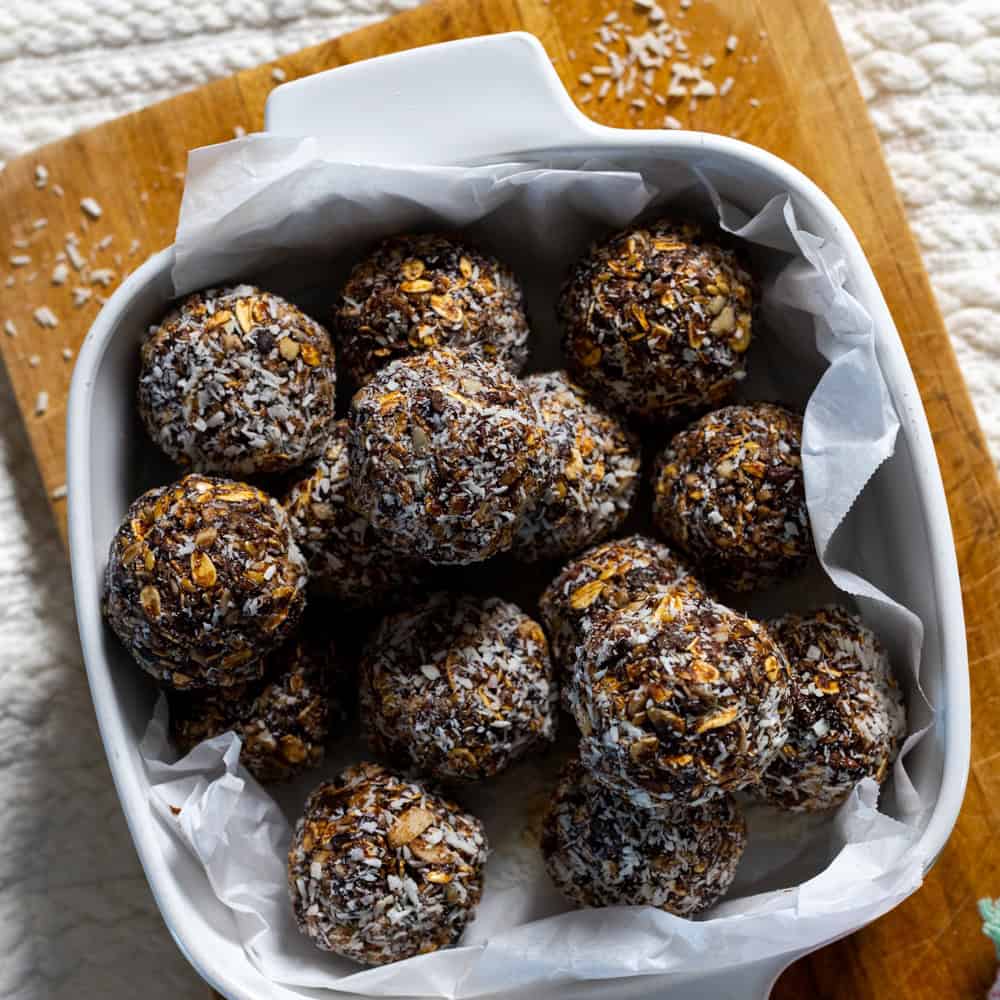
- Snack bars: A naturally sweet prune puree works wonderful as a sweetener in your favorite homemade energy bars. These no-bake Brownie Protein Bars are a hit, even with my kids!
- Main meals: If you haven’t experienced the deliciousness of a prune-inspired marinade, here’s your invitation to do so. This Braised Italian Beef Brisket with Red Wine and Prunes will have all your guests thanking you!
- Salads & sides: No more boring salads! This simple Charcuterie Salad Board is taken to the next level with a prune-sweetened Sweet Balsamic Dressing. I quite literally put this on everything.
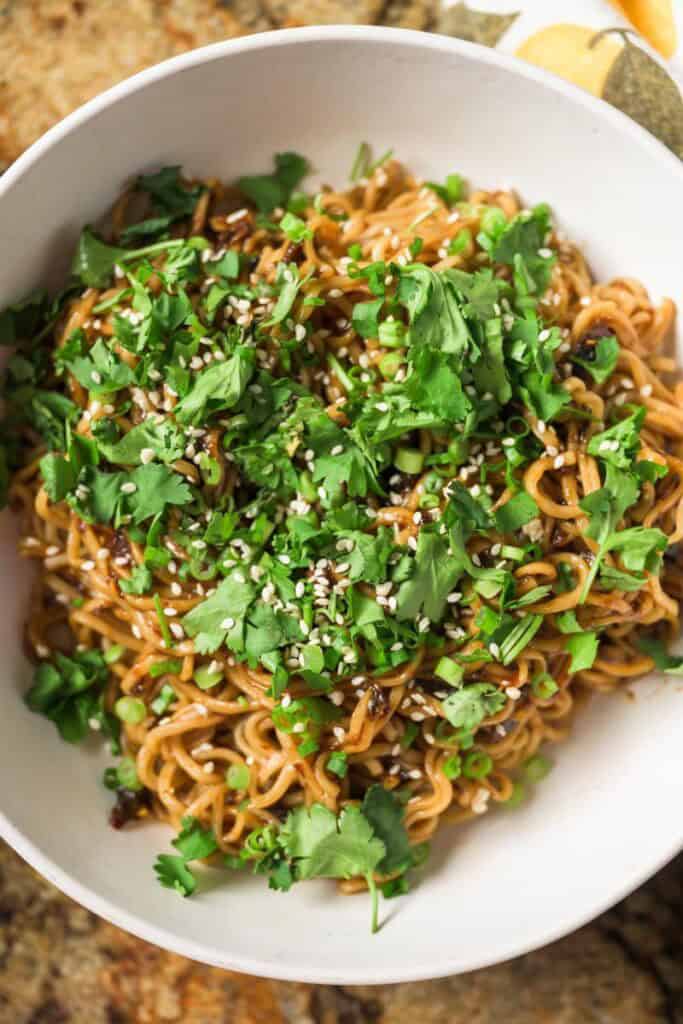
- Quick & easy: Ramen on the agenda? Sounds like a convenient and affordable “meal” canvas to make something nutritious fast. Upgrade it with a prune-inspired sauce. Gut, bone, and heart health benefits all in one? Yes please!
- Don’t neglect hydration. Increasing fiber means you’re increasing the volume of food that’s moving through your GI tract. To ensure a smooth ride, be sure you drink plenty of fluids.
The Bottom Line on Fiber
Fiber isn’t just for digestive support. The “trio” of fibers, including soluble, insoluble, and prebiotics fibers work together to support heart health, inflammation, and weight management. They even support gut and bone health. A food-first approach helps bring whole foods to the table. This, alongside nutrients like antioxidants, vitamins, and phytonutrients work synergistically to support long-term wellness.
Not sure where to start? Pick up some California prunes! These are a simple, nutrient-dense way to add fiber into both sweet and savory meals. With so many simple ways to enjoy them, incorporating prunes into your daily routine doesn’t have to be complicated. It just takes a small, consistent shift toward more whole, fiber-rich foods.
Download our new quick-reference guide – Fiber That Does More: Meet the Trio Behind Better Health. Keep it on hand when working with patients or clients. This practical resource covers the Fiber Trio, how to use it and the role of prunes in promoting fiber intake — all in one easy-to-use resource.
Meet Elizabeth Shaw

Liz Shaw is a registered dietitian nutritionist. She loves sharing simple-swaps to make your life easier when it comes to nourishing your body for the long haul. She has a Masters in Dietetics, a Graduate Certificate in Eating Disorders and Obesity, and is a Certified Personal Trainer.
Liz’s philosophy is simple: Eat foods that bring you joy, nourish your body, and help fill your tank. There is no one size approach to nutrition, and every BODY is unique!
Check out these articles from Liz too:
- Here Are Five Ways to Eat Prunes (No Baby Food or Juice Involved) in Vegetarian Times
- Prunes Aren’t Just for Your Grandparents: Here’s Why You Should Add Prunes to Your Diet in Clean Eating
Citations
1. Daley SF, Shreenath AP. The Role of Dietary Fiber in Health Promotion and Disease Prevention: A Practical Guide for Clinicians. In: StatPearls. StatPearls Publishing; 2026.
2. Center for Disease Control and Prevention. Chronic Disease.
3. Center for Disease Control and Prevention. Chronic Disease Data and Surveillance.
4. Barber TM, Kabisch S, Pfeiffer AFH, Weickert MO. The Health Benefits of Dietary Fibre. Nutrients. 2020;12(10):3209. doi:10.3390/nu12103209
5. National Library of Medicine. Soluble vs. Insoluble Fiber.
6. Carlson JL, Erickson JM, Lloyd BB, Slavin JL. Health effects and sources of prebiotic dietary fiber. Current Developments in Nutrition. 2018;2(3):nzy005. doi:10.1093/cdn/nzy005
7. Davani-Davari D, Negahdaripour M, Karimzadeh I, et al. Prebiotics: Definition, Types, Sources, Mechanisms, and Clinical Applications. Foods. 2019;8(3):92. doi:10.3390/foods8030092
8. Qin YQ, Wang LY, Yang XY, et al. Inulin: properties and health benefits. Food Funct. 2023;14(7):2948-2968. Published 2023 Apr 3. doi:10.1039/d2fo01096h
9. Fu J, Zheng Y, Gao Y, Xu W. Dietary Fiber Intake and Gut Microbiota in Human Health. Microorganisms. 2022;10(12):2507. doi:10.3390/microorganisms10122507
10. Vinelli V, Biscotti P, Martini D, et al. Effects of Dietary Fibers on Short-Chain Fatty Acids and Gut Microbiota Composition in Healthy Adults: A Systematic Review. Nutrients. 2022;14(13):2559. doi:10.3390/nu14132559
11. Joyce SA, Kamil A, Fleige L, Gahan CGM. The Cholesterol-Lowering Effect of Oats and Oat Beta Glucan: Modes of Action and Potential Role of Bile Acids and the Microbiome. Front Nutr. 2019;6:171. doi:10.3389/fnut.2019.00171
12. Mullins AP, Akhavan NS, Dawkins K, et al. Effects of daily prune consumption on cardiovascular markers in healthy older men—a randomized clinical trial. Academia Nutrition and Dietetics. 2025;2(2). doi:10.20935/acadnutr7701
13. Zhou DD, Luo M, Shang A, et al. Antioxidant Food Components for the Prevention and Treatment of Cardiovascular Diseases: Effects, Mechanisms, and Clinical Studies. Oxid Med Cell Longev. 2021;2021:6627355. doi:10.1155/2021/6627355
14. Mirmiran P, Hosseini-Esfahani F, Esfandiar Z, Hosseinpour-Niazi S, Azizi F. Associations between dietary antioxidant intakes and cardiovascular disease. Scientific Reports. 2022;12(1):1504. doi:10.1038/s41598-022-05632-x
15. Giuntini EB, Sardá FAH, de Menezes EW. The Effects of Soluble Dietary Fibers on Glycemic Response: An Overview and Futures Perspectives. Foods. 2022;11(23):3934. doi:10.3390/foods11233934
16. Lever E, Scott SM, Louis P, Emery PW, Whelan K. The effect of prunes on stool output, gut transit time and gastrointestinal microbiota: A randomised controlled trial. Clinical Nutrition. 2018;38(1):165-173. doi:10.1016/j.clnu.2018.01.003
17. Foley E, Akhavan N, Clarke H, et al. Alterations in gut health, bone and inflammatory biomarkers, and blood flow after three months of prune consumption. Current Developments in Nutrition. 2020;4:nzaa040_023. doi:10.1093/cdn/nzaa040_023
18. De Souza MJ, Strock NC, Williams NI, et al. Prunes preserve hip bone mineral density in a 12-month randomized controlled trial in postmenopausal women: the Prune Study. American Journal of Clinical Nutrition. 2022;116(4):897-910. doi:10.1093/ajcn/nqac189
19. Damani JJ, De Souza MJ, VanEvery HL, Strock NCA, Rogers CJ. The role of prunes in modulating inflammatory pathways to improve bone health in postmenopausal women. Advances in Nutrition. 2021;13(5):1476-1492. doi:10.1093/advances/nmab162
20. U.S. Department of Agriculture. FoodData Central. Prune, dried.
21. Simpson AMR, De Souza MJ, Damani J, et al. Prune supplementation for 12 months alters the gut microbiome in postmenopausal women. Food Funct. 2022;13(23):12316-12329. doi:10.1039/d2fo02273g