Prunes Are a Top Food to Eat on a GLP-1 Diet – Here’s Why
Feeling satisfied, satiated, and nourished is just a handful away.
GLP-1s, or glucagon-like peptide receptor agonists, are trending. While marketed more recently as a tool to help with weight loss, GLP-1s have been approved since 2005 to help manage type 2 diabetes.1 Even if you don’t work in the diabetes sector or weight loss industry, it’s likely you know someone on these drugs.
Case in point, their use is on the rise. A recent 2025 poll in the Journal of the American Medical Association found 12% of American adults have taken a GLP-1 drug (even if they can’t afford it).2 With over 42% of Americans considered obese, it’s likely only a matter of time until you see more people on these medications.3
As a dietitian, understanding the key opportunities the GLP-1 era presents to use our skills and help patients thrive is crucial. For example, how to optimize nutrient intakes on a GLP-1 diet with smaller, more frequent nutrient-dense meals and snacks is key. In this piece, we’ll cover how weight loss medications alter appetite and what the best GLP-1 foods are to focus on– including how (and why) portion-friendly prunes work as part of a balanced snack pairing.
The Hunger-Fullness Shift On A GLP-1 Diet
A quick science refresher – glucagon is a hormone produced in the pancreas that helps raise blood sugar when it dips to low.4 It works with glucagon-like peptide-1 receptors in the body to stabilize blood sugar levels, signaling the body to either break down stored glucose (glycogen) or make glucose from non-carbohydrate sources.4 It plays an integral role in regulating blood glucose levels, lipid metabolism, and increasing satiety through suppressing appetite and reducing hunger.5,6
GLP-1 drugs were made to mimic this hormone, meaning when you take them, they interact with the body’s GLP-receptors to suppress appetite, reduce hunger, and delay gastric emptying.6 The body’s internal system is getting the signal that it’s full and satisfied, even if only a small portion of food is consumed. This is the prime reason when patients take a GLP-1 medication approved for weight loss they may start seeing weight loss fairly soon.
When this starts to happen, patients on these drugs must focus on getting the most “bang per bite” in their GLP-1 diet – meaning smaller, more nutrient-dense meals is the goal. But, the lack of education provided for these patients means those small meals don’t necessarily pack the nutrients they need most.7 Plus, side effects from the medications may also lead to nausea, vomiting, bowel troubles, and more, further disrupting appetite.7,8 And, as a result, muscle, bone mass, and critical nutrient levels often take a hit as well.9
To offer a GLP-1 diet consumers can lean into for success, let’s go over the key nutrients to optimize so muscle mass, bone health, and total body health remain front and center for the long haul.
A Closer Look At GLP-1 Foods To Prioritize
A recent 2025 study published in Frontiers in Nutrition surveyed 69 patients on GLP-1 medications and looked at their diet quality.10 Scientists found these patients are not meeting their recommended intakes for vital nutrients, including fiber, calcium, iron, magnesium, potassium, choline, vitamin A, C, D, and E.10 Plus, they were falling short of the daily recommended MyPlate servings of fruits, vegetables, grains or dairy but exceeding recommended amounts of calories from fat and saturated fat.10
As a dietitian, there’s clear red flags here that indicate patients need help in learning how to prioritize key nutrients with reduced appetite on a GLP-1 diet. That’s where highlighting GLP-1 foods that pack a tiny but mighty nutrient profile come into play, promoting satiety, digestive health and nutrient adequacy in smaller servings.
With this in mind, the key nutrients to prioritize on a GLP-1 diet include:10
- Calcium
- Choline
- Fiber
- Iron
- Fiber
- Potassium
- Vitamin A, C, D, E
The great thing about these nutrients is that they are found in a wide variety of foods and don’t require a diet overhaul to get them in.
To keep it simple, the key GLP-1 foods you should prioritize are:10
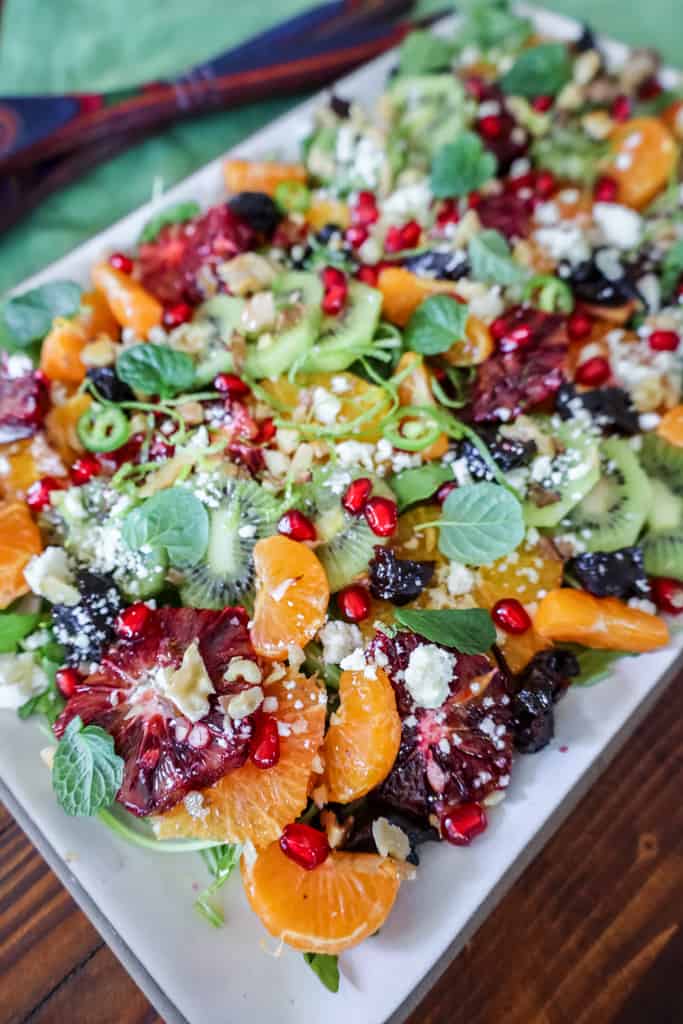
- Fruits and vegetables (fresh, dried, canned, and frozen forms)
- Lean proteins (including plant-based proteins, like pulses and legumes)
- Dairy foods
- Whole grains
With a little culinary creativity, patience, and planning, you can enjoy a nutrient-rich diet while on these medications through focusing on portion-friendly eating.
The Power of Prunes and Portion-Friendly Eating
There’s a reason prunes play a powerful role in optimizing nutrition on a GLP-1 diet when taking weight loss drugs – they pack a tiny but mighty punch in a small serving. With research pointing to the nutrient deficiencies across the board patients on GLP-1 medications are at risk of, highlighting portion-friendly foods like prunes that provide multiple nutrients is key.10
Let’s take a closer look at what makes prunes such an all-star on a GLP-1 diet – including their role in managing side effects of the drug.
How Nutrient Dense Are Prunes – Really
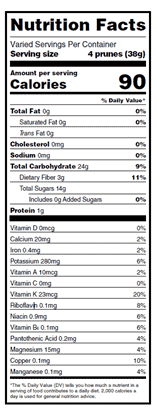
The serving size of prunes is roughly 4 to 6 prunes, or 38 to 40 grams. Relatively speaking, this small size packs a lot of nutrition in just 100-calories.11 Not only does this serving size provide over 11 vitamins and minerals but it also packs 11% of the daily value of fiber as well.11
Plus, prunes contain no added sugars, cholesterol, sodium or fat. This makes them an excellent choice to naturally satisfy a sweet tooth – allowing patients to find balance in their GLP-1 diet over restriction.
Prunes’ Role in Managing GLP-1 Diet Side Effects
The side effects of weight loss medications vary from person to person. Nutrient deficiencies certainly rank high on this list, especially when considering bone and muscle loss, but so do other side effects, like constipation and diarrhea.12 That’s where the GLP-1 diet and prunes come into play. Not only do they contain 3 grams of fiber in each serving, but they also contain other important compounds that help ease constipation and promote regular bowel habits.
Enter prunes’ role in digestive health.
First and foremost, yes, prunes fiber content helps promote regularity, easing constipation. In fact, prunes contain a mix of both insoluble and soluble fiber that simultaneously add bulk to the stool while helping it move quickly through the gut. Plus, they also contain sorbitol, a naturally occurring sugar alcohol. This specific sugar alcohol has shown to relieve constipation and improve stool consistency – another win for those experiencing bowel troubles on their GLP-1 diet.13,14
In order to maintain this healthy gut, those good gut bugs (aka, probiotics) inside the microbiome need to be fed. That’s where the prebiotics found in prunes come into play, fostering the growth of probiotics, concurrently supporting a healthy gut.13
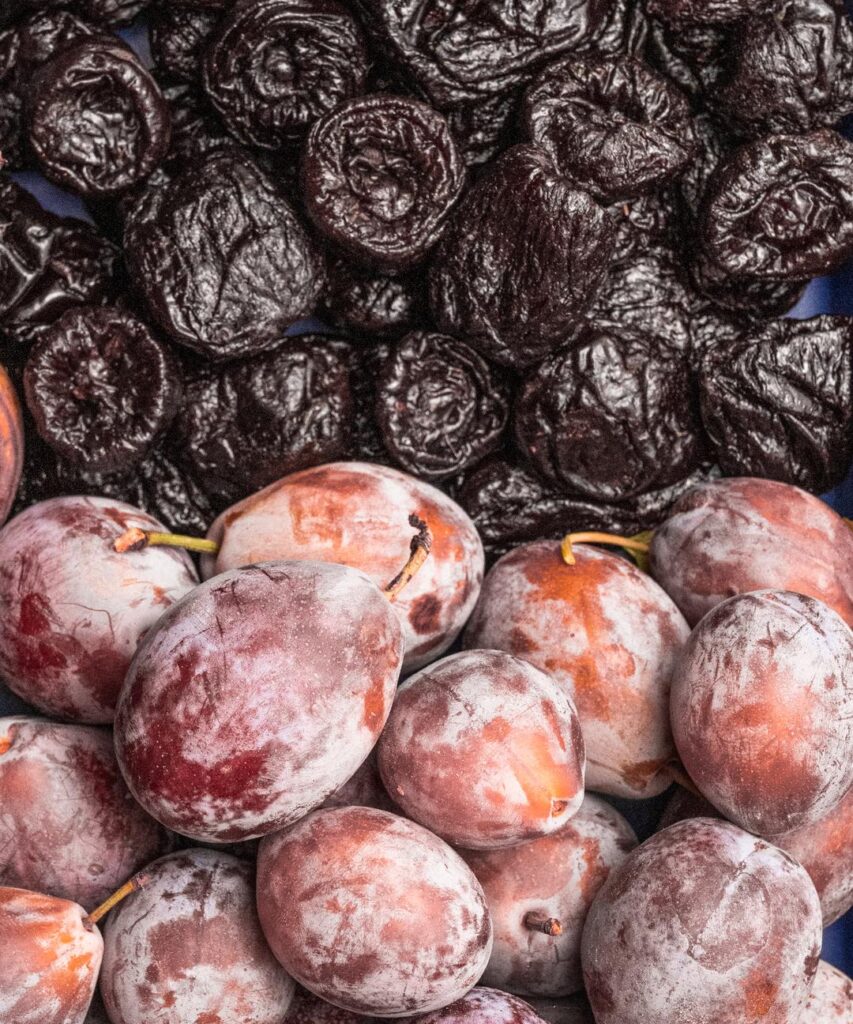
Another important consideration is the antioxidant activity prunes provide. The beautiful purple hue that gives prunes their iconic look is from polyphenols, antioxidants that help reduce inflammation in the gut by kicking free radicals out.15 Given patients on GLP-1 drugs for weight loss usually have diabetes, heart disease, and/or hypertension with obesity that contribute to inflammation, eating prunes offers anti-inflammatory support for achieving better health all around.
Related: The #1 Food to Eat For Better Gut Health
Prunes also offer another A-lister benefit that just so happens to tackle another side effect of GLP-1 drug use — bone loss.
Research has found that losing a significant amount of weight too quickly, meaning ≥14% over 3 to 4 months, is associated with bone loss.9 Scientists found that patients who do not focus on quality nutrition and strength training may experience a greater loss of muscle and bone while using GLP-1 medications – in addition to weight cycling.9 Weight cycling increases the risk of sarcopenic obesity, a condition in which patients still have obesity but also a reduction in skeletal muscle mass and function.
The good news – eating prunes may mitigate this effect and is an easy way to support your bone health for the long haul. Prunes’ unique blend of nutrients and bioactive compounds (like their polyphenols) work together to minimize bone turnover by influencing cellular pathways that break down bone and instead offer protection to inhibit bone loss.16
In fact, a recent 2022 study in the American Journal of Clinical Nutrition, known as the Prune Study, confirmed this.17 Researchers found that consuming 50 grams of prunes daily over a six months prevented loss of hip bone mineral density in postmenopausal women.17 With women (and elderly) noted to be at an increased risk for greater bone loss, focusing on the proactive things they can do, today, like adding a serving of prunes to their GLP-1 diet is key.9
A more recent 2024 using the original Prune Study data found prunes polyphenol content also played a role in bone health too.18 Postmenopausal women who consumed 50 to 100 grams of prunes daily experienced a greater reduction in circulating levels of proinflammatory markers, compounds that interfere with bone signaling pathways – increasing bone loss.18 Eating more prunes may suppress these markers, in turn improving bone health on a GLP-1 diet.18
Last, but certainly not least, prunes also provide a variety of other bone supporting nutrients, like boron, vitamin K, and calcium, that work together to support bone health.19 As you can see, they’re kind of a big deal on a GLP-1 diet when it comes to decreasing some of those unpleasant side effects these medications present.
Related: Let’s Talk Bone Health – Here’s the #1 Food to Prevent Bone Loss
Tips For Portion-Balanced Snacking
To plan a smart, portion-balanced snack on a GLP-1 diet that capitalizes on achieving the most “bang per bite”, consider these tips:
- Aim for protein and fiber at every eating occasion.
- Minimize added sugars and saturated fat.
- Think 6 to 8 small, more frequent, nutrient-dense meals versus 3 larger meals.
- Focus on variety. The wider range of colors, the more nutrients delivered to the body.
- Think with an additive mindset. What can be added to meals and snacks to make them more nutrient-dense?
With these in mind, let’s explore how prunes fit into a GLP-1 diet plan.
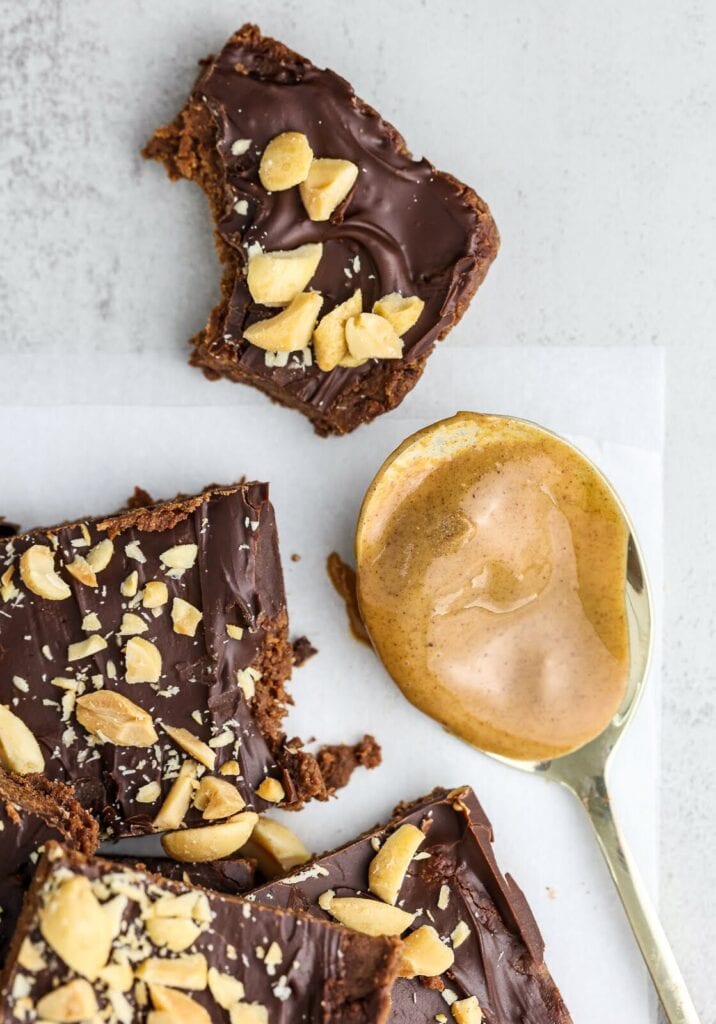
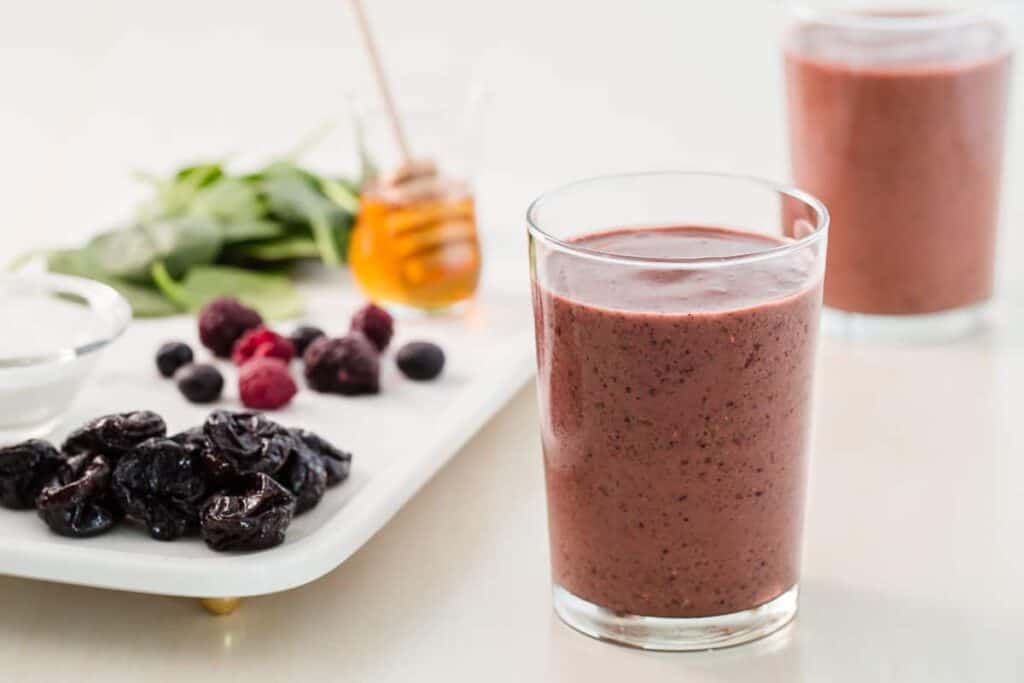
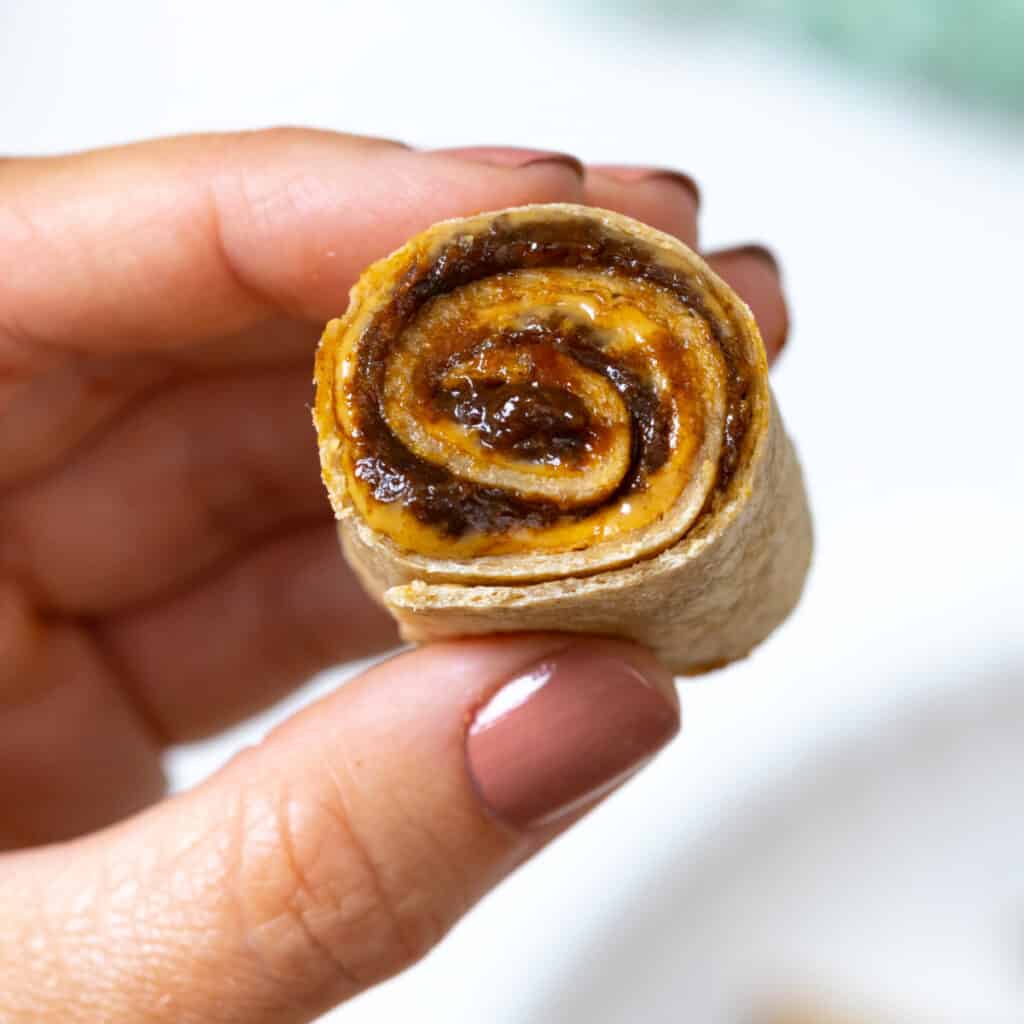
How to Fit Prunes Into a GLP-1 Diet
Prunes pair perfectly with a wide-variety of foods – making them an easy addition to diets regardless of preferences. Whether it’s for a snack or main meal, prunes versatility lend themselves to multiple creations in the kitchen – all the while providing no added sugar or fat. They’re naturally sweet taste provides a welcomed flavor profile that helps excite taste buds on a GLP-1 diet.
Since everyone’s appetite will be different on these medications, for some of the examples noted below, you may need to start with a smaller portion. Enjoy half at one eating period and the other at the next. The goal is to find what works best for you and your needs.
Here’s a few of dietitian-approved snack combinations with prunes to get your juices flowing:
- No-Bake Brownie Protein Bars
- Naturally-Sweetened Hummus + Cucumbers
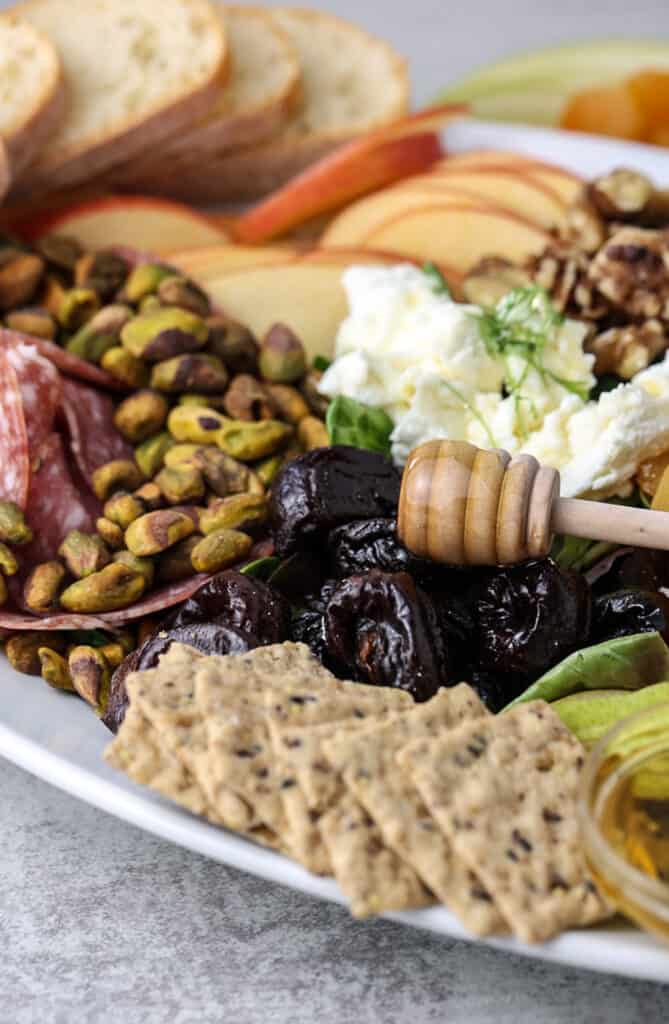
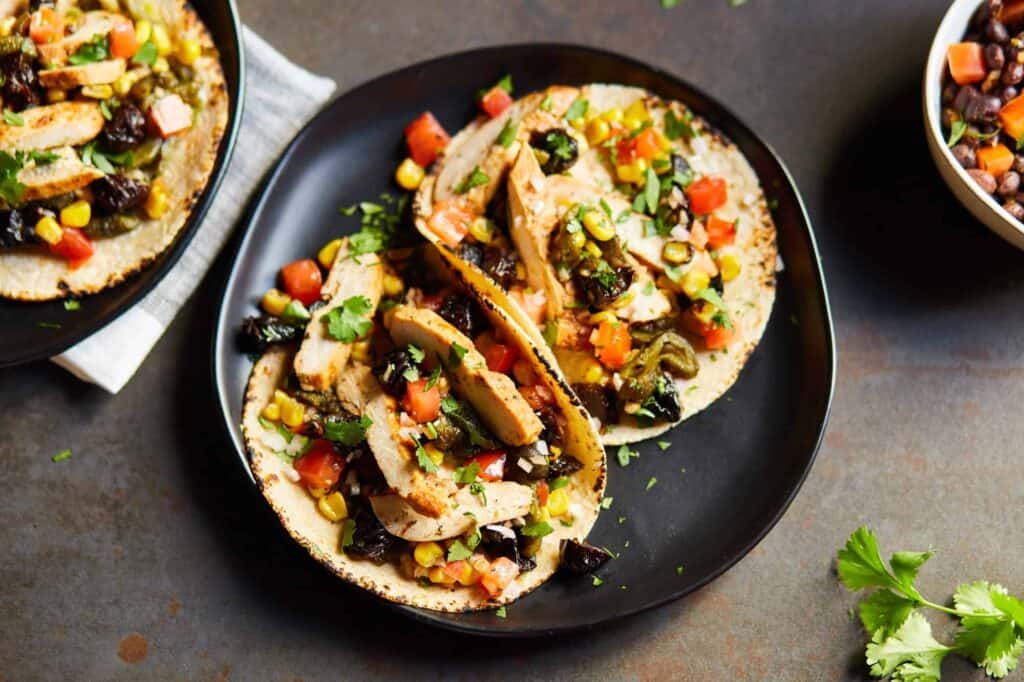
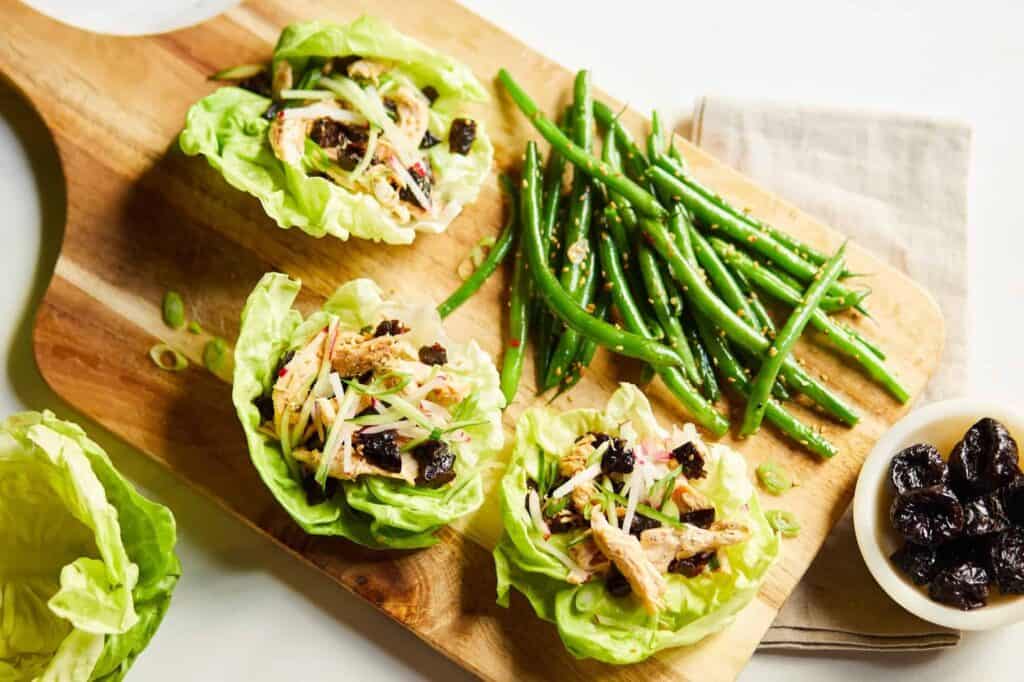
But prunes aren’t just for snacking. Add them to your favorite recipes to reap their nutrient benefits while adding flavor without a fuss to your meals.
Related: Prune Flavor Pairings + Cooking Ideas
Frequently Asked Questions (FAQ)
I have type 2 diabetes. Can I still eat dried fruit, like prunes, as part of my GLP-1 diet?
Yes, prunes and other naturally sweetened dried fruit with no added sugars, can fit into a GLP-1 diet if you have diabetes. In fact, prunes are considered a low glycemic food, scoring just 29 on the glycemic index. However, because they don’t contain protein or fat, it’s important to pair prunes with other nutrient-dense foods for better blood sugar balance. Consider a serving of prunes with an ounce of pistachios or a string cheese for a quick, grab and go option.
Related: Can You Eat Dried Fruit If You Have Diabetes?
Are prunes a good food to eat on a GLP-diet?
Yes, prunes are a nutrient dense food that can certainly help fill nutrient gaps while taking weight loss medications, like GLP-1s. Prunes contain important nutrients, like vitamin K, boron, and polyphenols that may help prevent bone loss, an unfortunate side effect of losing weight quickly on medications like these. They also contain a good source of fiber which helps keep the gut healthy and food moving through.
What are other foods I should eat on a GLP-1 diet?
Consider adding foods that pack a variety of nutrients in every bite. For example, fruits and vegetables, whole grains, beans, legumes, lean protein and dairy foods are great options that can be included on a GLP-diet.
What You Need To Know
Prioritizing a nutrient dense diet is essential for those taking GLP-1 medications. Since these medications reduce appetite, potentially leading to nutrient deficiencies, encouraging foods that pack a variety of nutrients in each bite is important. While there are food products marketed specifically for a GLP-1 diet, they can be pricey and unrealistic for many consumers on this medication. Thankfully, there are affordable, everyday foods that also fit the bill – like prunes.
Not only do prunes pack dietary fiber, a key nutrient most people aren’t getting enough of, but they also provide vitamin K, antioxidants, and other micronutrients, like boron and potassium. Plus, they pair perfectly with a protein, like almonds or pistachios, for a portable punch of nutrition on a GLP-diet to fuel your adventures.
For more inspiration on powerful pairings with prunes, checkout the nutrient-dense collection of heart-healthy recipes here.
Download our new quick-reference guide – Smaller Servings, Bigger Impact with Prunes and GLP-1s – to keep on hand when working with patients or clients. This practical resource covers everything you need to know about incorporating prunes into GLP-1–informed eating patterns — all in one easy-to-use resource.

Meet Liz Shaw, RDN
Liz Shaw is a registered dietitian nutritionist. She loves sharing simple-swaps to make your life easier when it comes to nourishing your body for the long haul. She has a Masters in Dietetics, a Graduate Certificate in Eating Disorders and Obesity, and is a Certified Personal Trainer.
Liz’s philosophy is simple: Eat foods that bring you joy, nourish your body, and help fill your tank. There is no one size approach to nutrition, and every BODY is unique!
Check out these articles from Liz too:
- 6 “Bad” Fruits You Should Be Eating When You Have Diabetes, According to Dietitians in Eating Well
- Prunes Aren’t Just for Your Grandparents: Here’s Why You Should Add Prunes to Your Diet in Clean Eating
- Here Are Five Ways to Eat Prunes (No Baby Food or Juice Involved) in Vegetarian Times
Sources:
1. Nauck MA, Quast DR, Wefers J, Meier JJ. GLP-1 receptor agonists in the treatment of type 2 diabetes – state-of-the-art. Molecular Metabolism. 2020;46:101102. doi:10.1016/j.molmet.2020.101102
2. Harris E. Poll: Roughly 12% of US Adults Have Used a GLP-1 Drug, Even If Unaffordable. JAMA. 2024;332(1):8. doi:10.1001/jama.2024.10333
3. National Institute of Diabetes and Digestive and Kidney Diseases. Overweight and Obesity Statistics.
4. Rix I, Nexøe-Larsen C, Bergmann NC, et al. Glucagon Physiology. [Updated 2019 Jul 16]. In: Feingold KR, Ahmed SF, Anawalt B, et al., editors. Endotext [Internet]. South Dartmouth (MA): MDText.com, Inc.; 2000.
5. Zheng, Z., Zong, Y., Ma, Y. et al. Glucagon-like peptide-1 receptor: mechanisms and advances in therapy. Sig Transduct Target Ther. 2024;9: 234. https://doi.org/10.1038/s41392-024-01931-z
6. Aldawsari M, Almadani FA, Almuhammadi N, Algabsani S, Alamro Y, Aldhwayan M. The Efficacy of GLP-1 Analogues on Appetite Parameters, Gastric Emptying, Food Preference and Taste Among Adults with Obesity: Systematic Review of Randomized Controlled Trials. Taylor & Francis. 2023. https://www.tandfonline.com/doi/full/10.2147/DMSO.S387116#d1e190
7. Despain D, Hoffman BL. Optimizing Nutrition, Diet, and Lifestyle Communication in GLP-1 Medication Therapy for Weight Management: A Qualitative Research Study with Registered Dietitians. Obesity Pillars. 2024;12:100143. doi:10.1016/j.obpill.2024.100143
8. Collins L, Costello RA. Glucagon-Like peptide-1 receptor agonists. StatPearls – NCBI Bookshelf. Published February 29, 2024. https://www.ncbi.nlm.nih.gov/books/NBK551568/
9. Mozaffarian D, Agarwal M, Aggarwal M, et al. Nutritional priorities to support GLP‐1 therapy for obesity: A joint Advisory from the American College of Lifestyle Medicine, the American Society for Nutrition, the Obesity Medicine Association, and The Obesity Society. Obesity. Published online May 30, 2025. doi:10.1002/oby.24336
10. Johnson B, Milstead M, Thomas O, et al. Investigating nutrient intake during use of glucagon-like peptide-1 receptor agonist: a cross-sectional study. Frontiers in Nutrition. 2025;12. doi:10.3389/fnut.2025.1566498
11. U.S. Department of Agriculture. FoodData Central. Plums, (dried) prunes, cooked.
12. Wharton S, Davies M, Dicker D, et al. Managing the gastrointestinal side effects of GLP-1 receptor agonists in obesity: recommendations for clinical practice. Postgraduate Medicine. 2021;134(1):14-19. doi:10.1080/00325481.2021.2002616
13. Koyama T, Nagata N, Nishiura K, Miura N, Kawai T, Yamamoto H. Prune juice containing sorbitol, pectin, and polyphenol ameliorates subjective complaints and hard feces while normalizing stool in chronic constipation: a randomized placebo-controlled trial. Am J Gastroenterol. 2022;117(10):1714-1717. doi:10.14309/ajg.0000000000001931
14. Zoi Katsirma, Eirini Dimidi ORCID logo, Ana Rodriguez-Mateos ORCID logo and Kevin Whelan. Fruits and their impact on the gut microbiota, gut motility and constipation. Food & Function. 2021 Aug; 12, 8850-8866.
15. Wang X., Qi Y., Zheng H. Dietary Polyphenol, Gut Microbiota, and Health Benefits. Antioxidants. 2022;11:1212.
16. Hooshmand S, Chai SC, Saadat RL, Payton ME, Brummel-Smith K, Arjmandi BH. Comparative effects of dried plum and dried apple on bone in postmenopausal women. Br J Nutr. 2011;106(6):923-930. doi:10.1017/S000711451100119X
17. De Souza MJ, Strock NCA, Williams NI, et al. Prunes preserve hip bone mineral density in a 12-month randomized controlled trial in postmenopausal women: the Prune Study. Am J Clin Nutr. 2022;116(4):897-910. doi:10.1093/ajcn/nqac189
18. Damani JJ, Oh ES, De Souza MJ, et al. Prune consumption attenuates proinflammatory cytokine secretion and alters monocyte activation in postmenopausal women: secondary outcome analysis of a 12-mo randomized controlled trial: the prune study. J Nutr. 2023;S0022-3166(23)72732-6. doi: 10.1016/j.tjnut.2023.11.014.
19. Rondanelli M, Faliva MA, Peroni G, et al. Pivotal role of boron supplementation on bone health: A narrative review. J Trace Elem Med Biol. 2020;62:126577. doi:10.1016/j.jtemb.2020.126577