
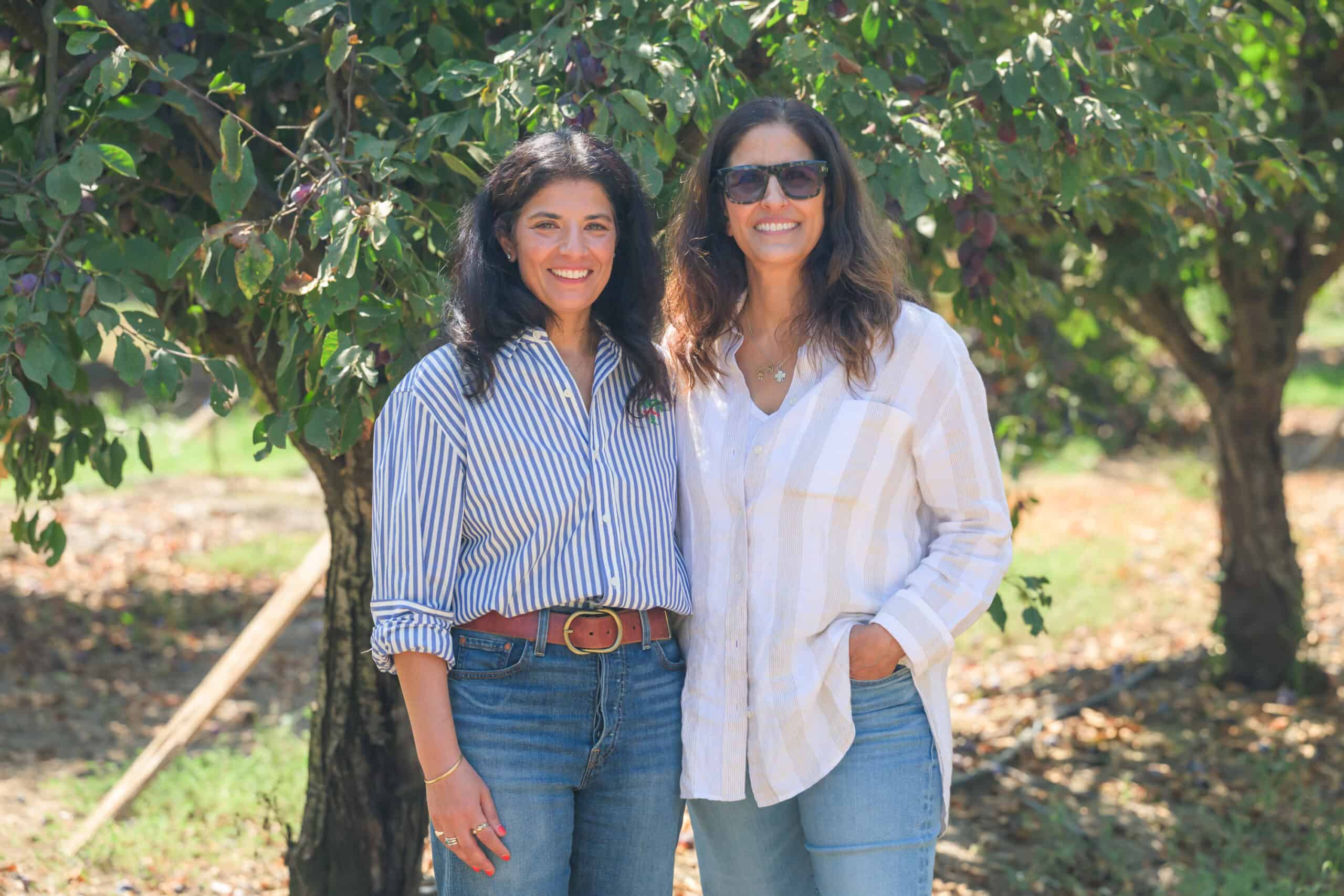
Manseena Orchards: Farming Nuts + Prunes in Yuba City
Farming isn’t just a job for Sureena Bains Thiara and Manpreet Bains. It’s part of their family’s history – and a way to contribute to their community and the future they envision for California agriculture.
Sureena and Manpreet are partners in Manseena Orchards. The two sisters farm 145 acres of prunes, walnuts and almonds in Yuba City, California – but describing either woman as simply a “farmer” seems inadequate. Sureena earned a master’s degree in business administration and has been involved in the family’s crop insurance business since 1998. Manpreet holds a master’s degree in international business, serves on the UC Agriculture and Natural Resources President’s Advisory Council and participates in the California Ag Leadership Program.
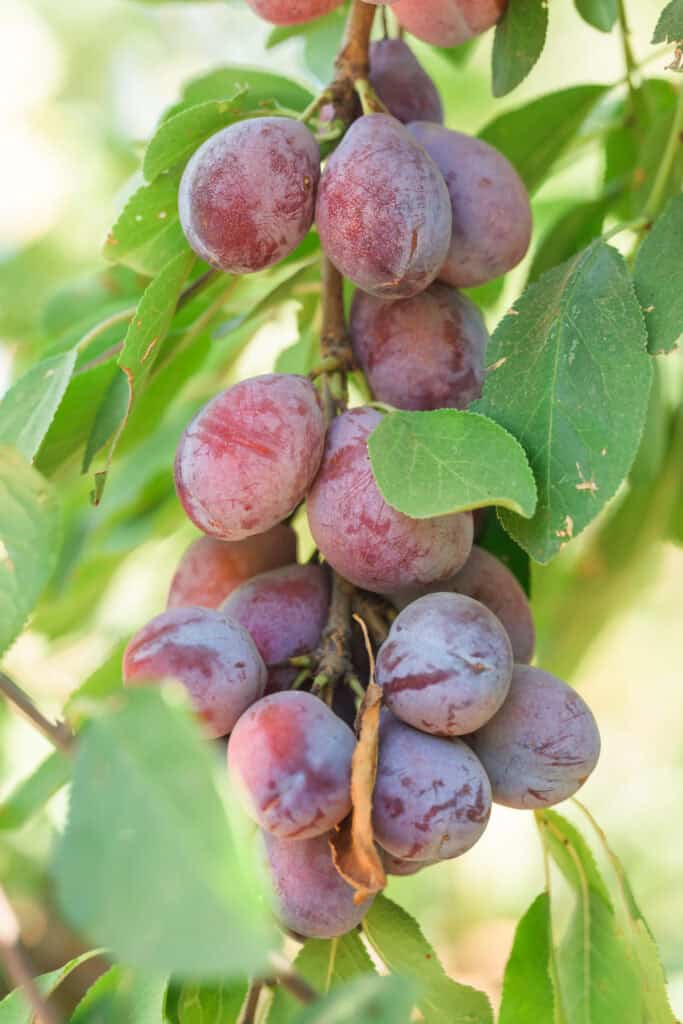
While prunes aren’t the only crop grown at Manseena Orchards, they do hold a special place in the sisters’ hearts. Manpreet explains, “I know they’re a little bit of an unsung fruit, but they’re a part of the fabric of this community that we’ve come back to and have loved from the beginning. It’s not only part of our family history, but it’s the commodity that really lifted up our Indian community here.” The sisters are proud to represent not just women, but their Indian heritage in the prune industry. Manpreet smiles and adds, “We are few growers, but we are mighty, mighty growers.”
Sacramento Valley: A perfect place for prunes
The Sacramento Valley produces 80% of all California Prunes, with Sutter County leading the way. Sureena notes, “Here in California, we can grow just about anything. The soil that we have here (in the Sacramento Valley) allows for some really great prune growing.”
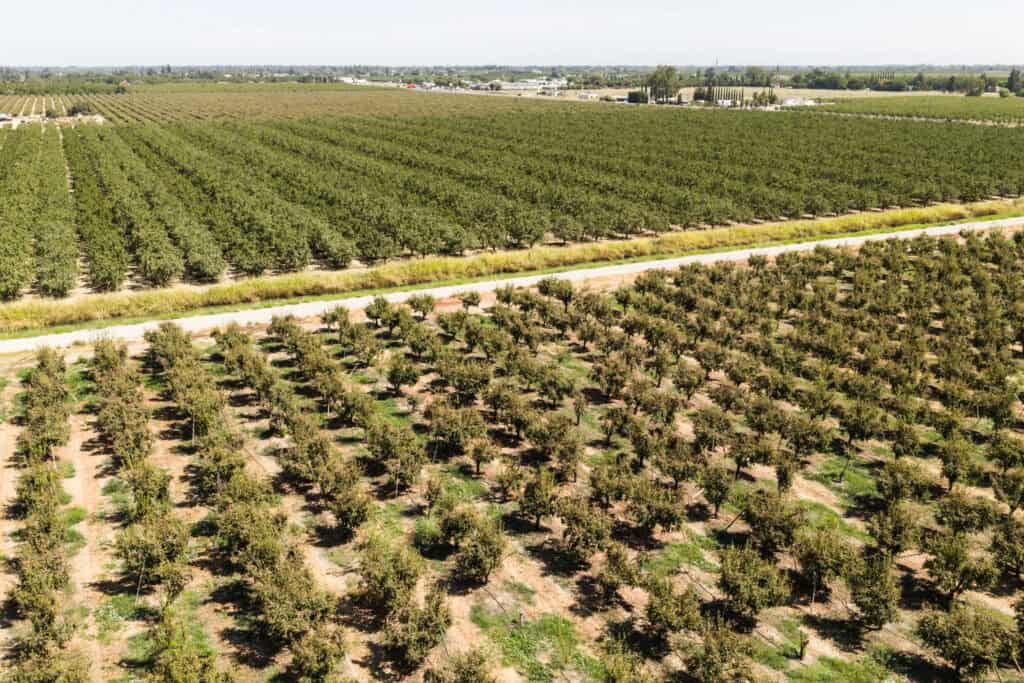
Fertile soil and frequent sunshine are obviously important. However, Manpreet believes that the community is equally responsible for the success of prunes in California. She states, “We have the privilege to talk to a lot of growers across the country. There’s just something special about California. This place has such a dynamic quality – innovation, constantly striving to do better for its communities.”
While prunes are grown in other countries, the sisters argue that California prunes are particularly exceptional. Noting her obvious bias, Manpreet laughs and adds, “I think the prunes that come out of this valley also have some heart to them. They’re mostly family farms that have been here for multiple generations. Maybe it’s naive or pie in the sky, but I think that you can feel that.”
Eat your prunes: Food as medicine
Sureena and Manpreet are obviously big fans of California Prunes – for their taste, convenience and the health benefits they provide. Both sisters admit that their favorite way to eat prunes is straight out of the dryer (or package), but they also incorporate them into their daily routines and even special occasions. Sureena adds them to her morning smoothie. Manpreet embraces a more savory take – Pecorino Stuffed Prunes with Bacon are one of her favorite holiday appetizers.
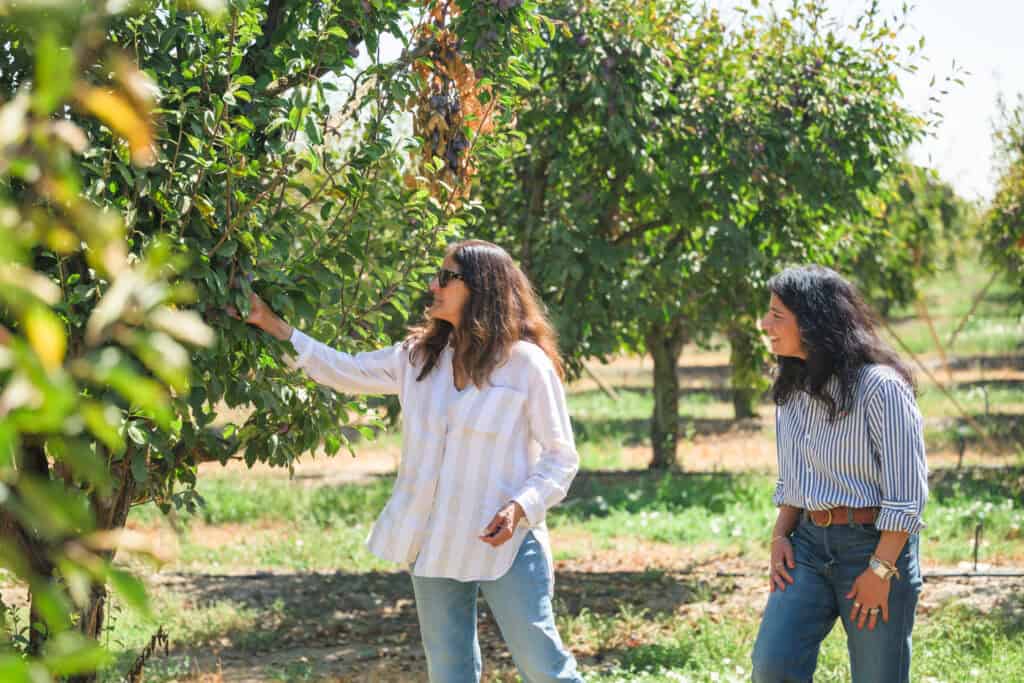
While the sisters both grew up enjoying prunes, they understand that many Americans are just now discovering the amazing taste and health benefits of prunes. Sureena notes that while prunes are a staple in many other cultures, Americans are only recently embracing healthy habits that are the norm elsewhere.
“I think that in other cultures, health and diet are a very important part of their life. They teach their children that too, so it’s a generational thing. Whereas in the United States, I think it’s taken us until the last decade for people to become more health-conscious. I think culturally, we’re shifting away from wanting to take medications. We’re shifting into wanting to eat our vitamins and get it through our diet instead.”
Prunes for life (and bone health)
While prunes are probably best known for their gut health benefits, Sureena is especially passionate about how California Prunes can improve bone health. “My big example is my daughter, who at 12, fractured her L5 and was in a body cast for three months. At that time, I did some research, and I talked to a lot of people, not really understanding the true impact of how it does help bone growth. That was seven years ago, and she was half the size of my body, and she passed me up, and I’m like, ‘Okay, it was, it was the prunes.’”
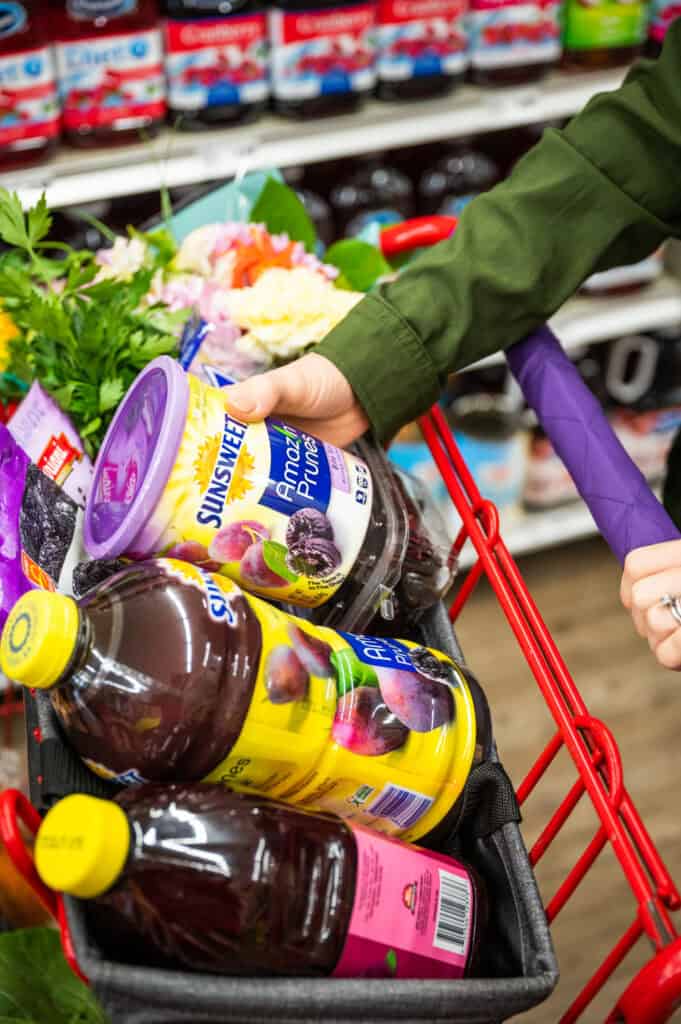
Several recent studies have only supported the bone health benefits of California Prunes. Sureena confesses she shamelessly shares this data with women she meets. She states, “I use that example a lot with people, especially because now I’m in my late 50s. I talk to women all the time about the studies that have come out for bone health.” Adopting a more authoritative stance, she continues, “All women 50 and over should be having five a day. It helps with osteoporosis. It helps with bone growth. That’s the kind of language we have at home. I think that language is happening more and more in households.”
Women in agriculture
Women are helping change the perception of prunes. They’re also influencing the future of ag in general – whether they’re in positions of power or working quietly behind the scenes. Women have always been involved in agriculture. Sureena and Manpreet’s mother was influential in the farm’s early adoption of sustainable practices. While both women note that they’ve seen more women involved in the industry over the last few decades, they admit that female growers are still few and far between.
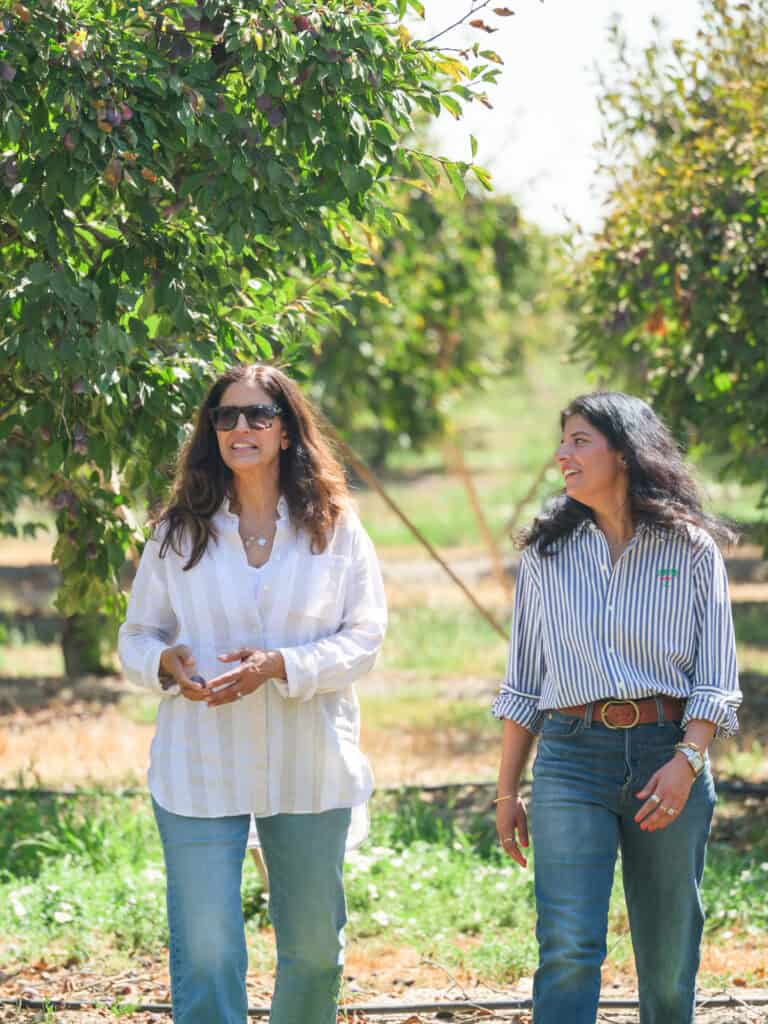
The sisters didn’t truly understand the lack of women in leadership roles until their parents handed over the reins of their family farm. “Once we got to those spaces, we realized that there were not very many people that were women, let alone women that looked like us. I think it became even more incumbent to be that person that can show others what is possible and that there’s a path to get there.”
Sureena and Manpreet believe that diversity is crucial to the future of agriculture. Women, younger people and minorities all bring different viewpoints and fresh ideas to the table. “We need all minds on deck this next decade of agriculture,” she argues. “California is, I believe, the third largest ag economy in the world. To support them means continued full grocery stores, food on your table, and to continue to have phenomenal agricultural commodities in our state.” Through their work on the farm and in their communities, Sureena and Manpreet are helping shape a more diverse and innovative future for California agriculture.
Article by Hilary Rance for California Prunes. Photography by James Collier for California Prunes.